Skip to content
Category 04 / 10

Pipe Facing Machines

Square pipe ends for orbital & sanitary welding

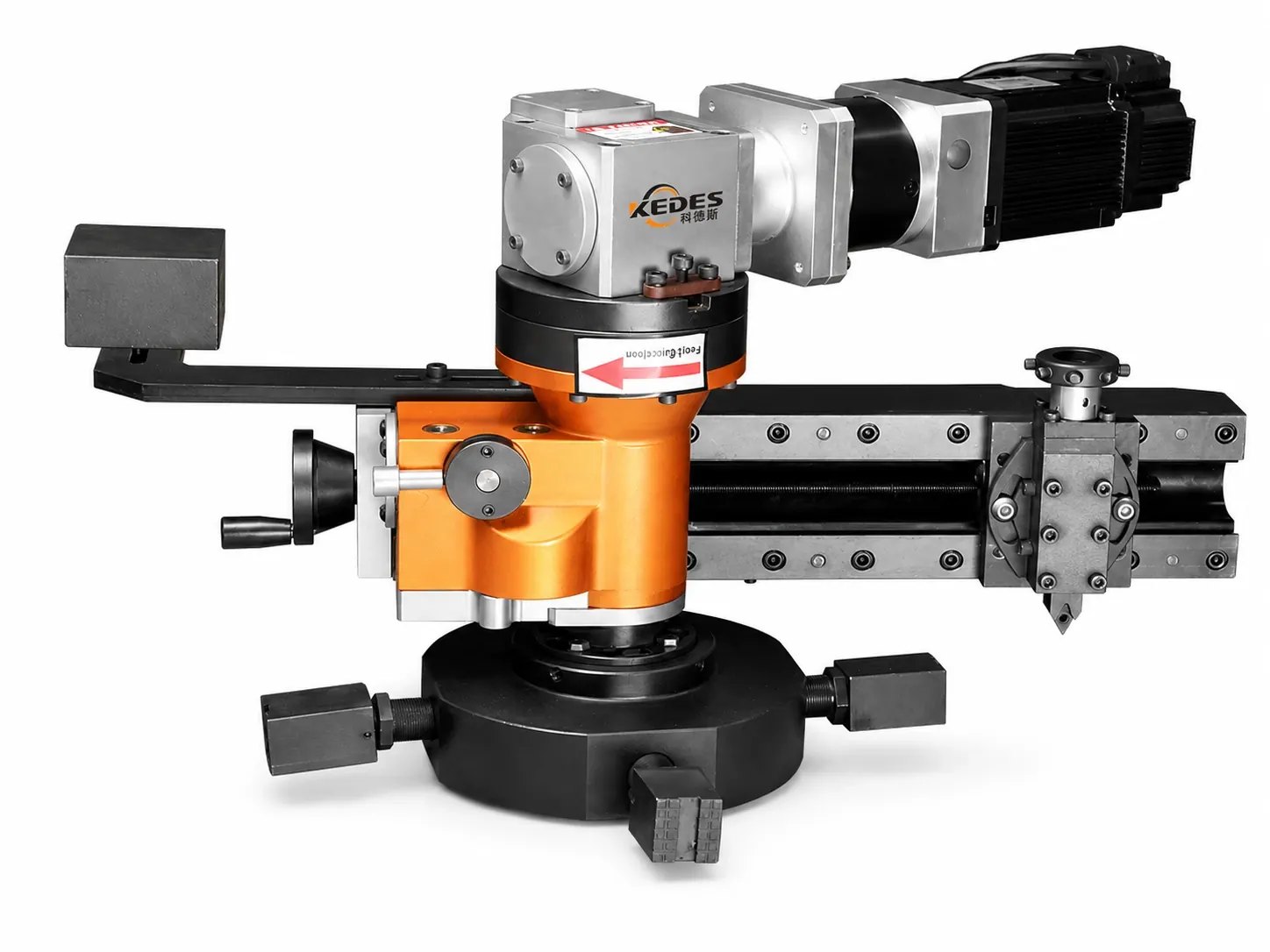
Pipe facing (squaring) machines deliver mirror-perpendicular end faces required by orbital welding heads and high-purity tube fit-up. Used ahead of semiconductor, pharmaceutical and food-grade tube installation where weld penetration and ID concentricity are non-negotiable.

Talk to an engineer
Pipe Facing Machines
02 Where it's used
Semiconductor high-purity gas / chemical lines
Pharmaceutical & biotech process tubing
Food & dairy sanitary piping
Heat exchanger tube-sheet preparation
04 Applications in depth

Where these machines earn their keep.

01

Weld prep and end finishing for orbital welding

A closed-head orbital welder clamps on the OD and runs an arc on the joint centreline — if the tube end is not square to ≤ 0.05 mm, the arc gap varies through the rotation and the weld fails. A bandsaw cut is not square enough. An abrasive disc cut is not square enough.

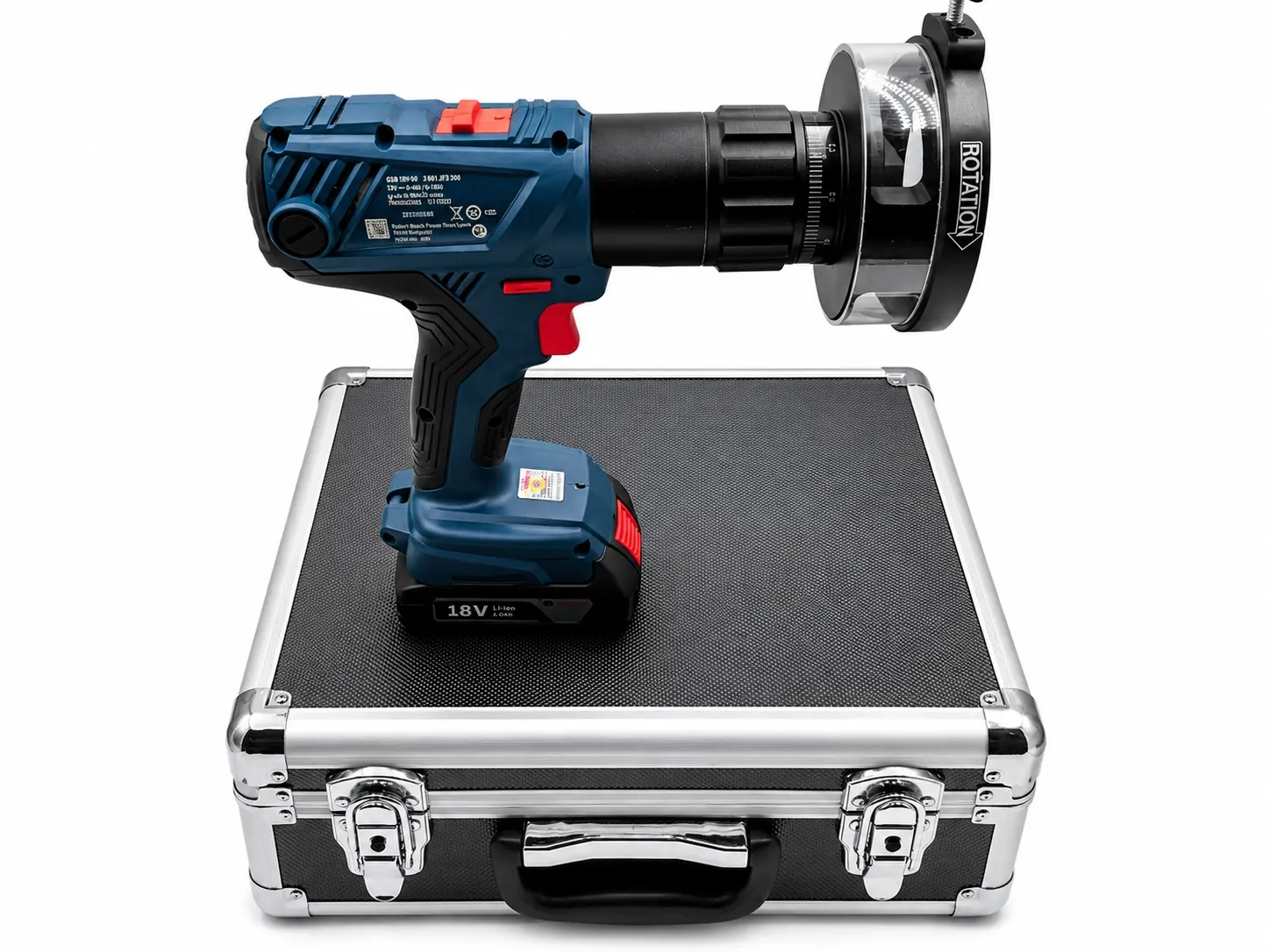
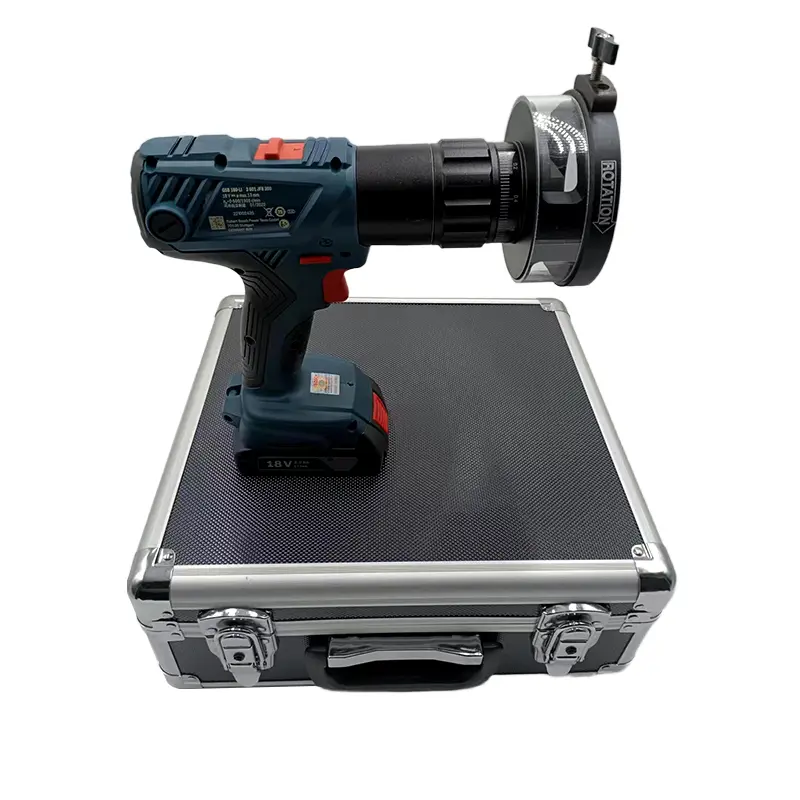
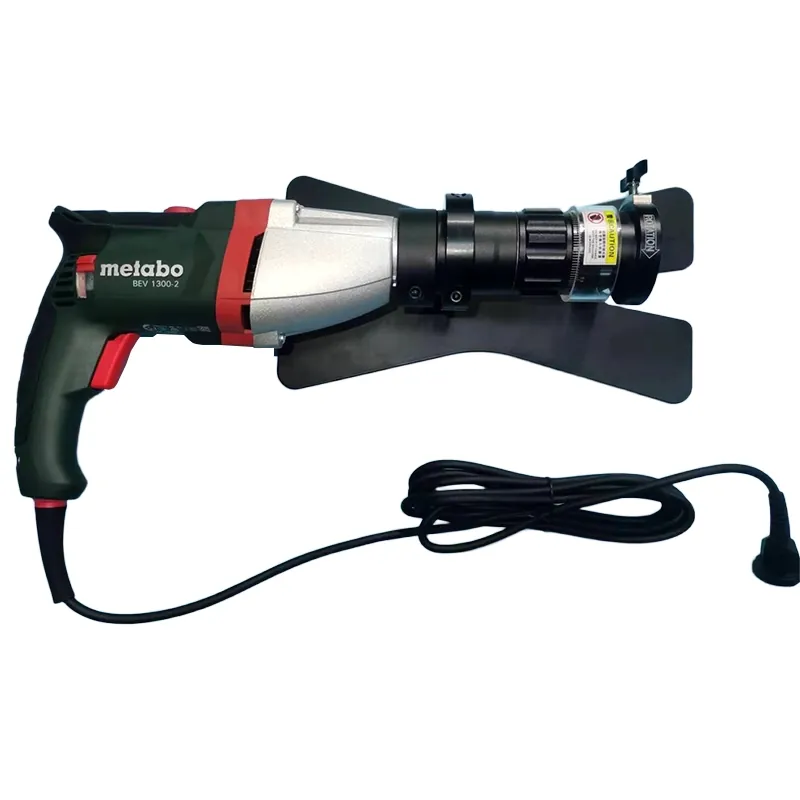
The right prep is an LPM electric tube facer or LPM cordless tube facer, each shipped with a calibration certificate. For the broader orbital workflow see orbital welding basics.
02

Semiconductor UHP gas distribution

Semiconductor fab gas lines (silane, ammonia, hydrogen) demand zero contamination at the weld and a face Ra meeting SEMI F70 / F78. The cut quality at the prep is the face quality at the weld — there is no second machining step.

Use dedicated stainless tooling on these jobs. Cross-contamination from carbon-steel inserts embeds iron, fails passivation, and shows up months later as corrosion. See beveling stainless without losing corrosion resistance for the full prep protocol.

03

Sanitary process tubing (ASME BPE)

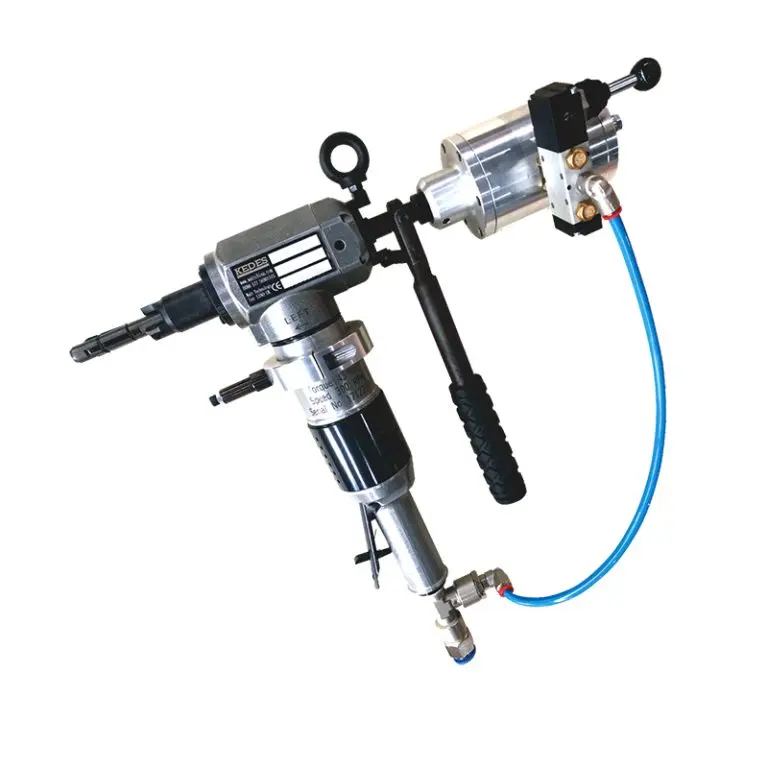
Pharmaceutical, biotech and dairy lines run on ASME BPE — Ra ≤ 0.5 µm electropolished on wetted surfaces, controlled finish on the weld prep, and full CIP / SIP cleanability after. A KD pneumatic tube squarer or one of the LPM electric variants holds the squareness and surface finish without re-machining.

For the matching cutter on the upstream side see pipe cutting machines and the related orbital welding systems catalogue.

04

Heat exchanger tube-sheet preparation

Tube-to-sheet joints in heat exchangers need both faces square and the tube end perpendicular to the sheet — otherwise the expansion tool cannot land a uniform seal. The OD range is small (typically 19 to 50 mm) but the joint count is high.

Workshop bench-mount or handheld facers cover this range. The volume decides drive type — pneumatic for batch production, cordless electric for retubing jobs in service. Bring tube OD, wall, joint count and material to the quote form and we will size the machine for the run.

05 Selection Matrix

Not sure which model?

SeriesTube rangeMax wallDriveBest for
KD Ø 12.4 – 48 mm ID 5 mm Pneumatic Squaring, chamfering and weld removal in one tool
LPM DC Ø 3.17 – 63.5 mm OD 3 mm 18 V Li-ion Site work with no mains power
LPM AC Ø 3.17 – 114.3 mm OD 5 mm 1300 W mains Benchtop and sustained production
06 Selection Guide

Answer these and the model picks itself.

  1. How big is the tube?

    Up to 63.5 mm both LPM bodies reach it; past that only the AC series, which goes to 114.3 mm with geared heads on the two largest models.

  2. Is there mains power where the work is?

    Yes — LPM AC holds torque indefinitely, which is what you want for a production bench.

    No — LPM cordless runs on the same 18 V packs as the rest of the site's tools and faces to 0.1 mm increments.

  3. Squaring only, or squaring plus chamfer?

    The KD pneumatic squarer squares, chamfers and removes weld reinforcement in one setup on small-bore tube, with one-touch pneumatic clamping for repeat work.

  4. Is it feeding an orbital welding head?

    Then perpendicularity is the specification, not the finish. Closed-head programs assume the end is square to roughly 0.05 mm; a saw cut alone will not hold that, a facing pass will. See orbital welding basics and the high purity workflow.

07 Frequently asked

Quick answers.

What does a pipe facing machine do?
It machines the tube end square and true to the axis, and chamfers it if required. Facing is what turns a cut end into a weldable one — particularly ahead of orbital welding, where the head assumes a perpendicular face.
How is "square" measured on the prepared end?
Standard tolerance is perpendicularity ≤ 0.1 mm across the OD. For semiconductor and ASME BPE lines feeding closed-head orbital welders we tighten to ≤ 0.05 mm with a dial-indicator certificate per unit.
What downstream operations need a pipe facer (and which don't)?
Closed-head orbital welding (BPE, semiconductor) and compression fittings (Swagelok-type) need the facer. Open-head orbital welding benefits from it but tolerates ± 0.2 mm. Hand GTAW and arc welding do not strictly need it — though squareness still helps fit-up. Full matrix in choosing an orbital pipe cutter.
Pneumatic, cordless or electric — which drive should I pick?
Pneumatic (KD series) for production volume where compressed air is plentiful and the work is in a controlled environment. Cordless (LPM) for field retubing and dock-side work where power may not be stable. Electric (LPM) for shop work where torque control matters more than mobility — stainless and alloy benefit from the cleaner torque profile.
Will the facer feed straight into an orbital welder?
Yes — that is the matched workflow. Cold cut → tube face → orbital weld is the standard for ASME BPE, semiconductor UHP and aerospace tube installation. Skipping the facer is the single most common cause of bad orbital welds. See orbital welding basics.
Do you supply dedicated stainless tooling?
Yes, colour-coded packs to avoid carbon-steel cross-contamination. Iron particles from a shared insert embed in the stainless face and fail passivation inspection months later — see beveling stainless without losing corrosion resistance.
What OD range do the facers cover?
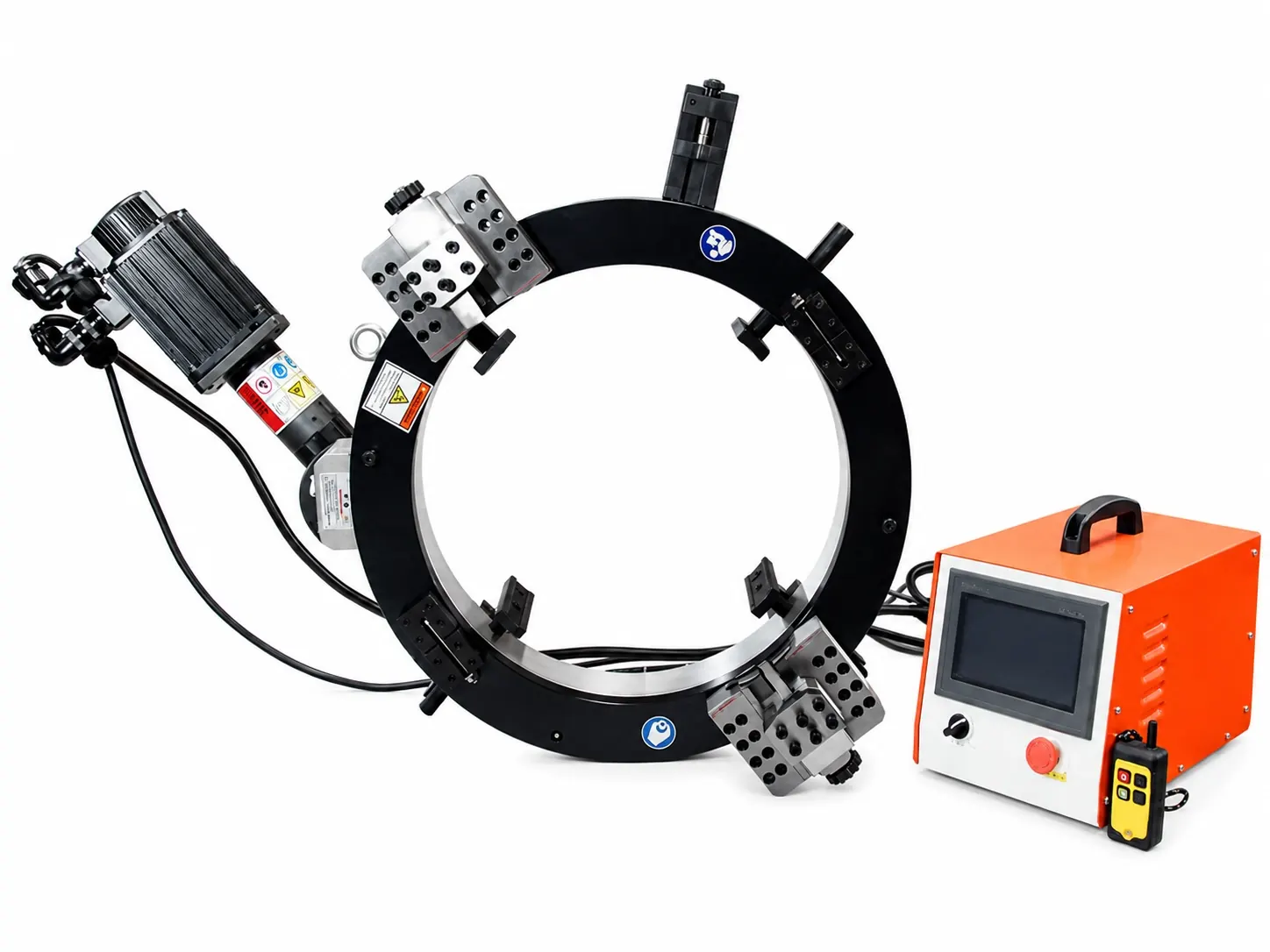
Small-bore tubing from ~Ø 6 mm to ~Ø 80 mm across the LPM / KD ranges. Larger OD work moves to dedicated pipe-end machines — send the tube spec (OD, wall, material, weld program) and we will match the right unit.
Next step

Get a quote within 24 hours.

Send us your spec sheet, pipe schedule, or drawing — our engineers reply with pricing, lead time, and recommended models.

  1. 01Send specs & drawings
  2. 02Receive quote within 24h
  3. 03Confirm & manufacture
Chat on WhatsApp
Chat on WhatsApp
Get a quote

Request a quotation.

Tell us pipe diameter, wall, material and country. We reply within one working shift.

WE REPLY WITHIN ONE WORKING SHIFT · GMT+8