Skip to content
Category 08 / 10

Slag Removal Machines

Deslag laser & plasma cut parts

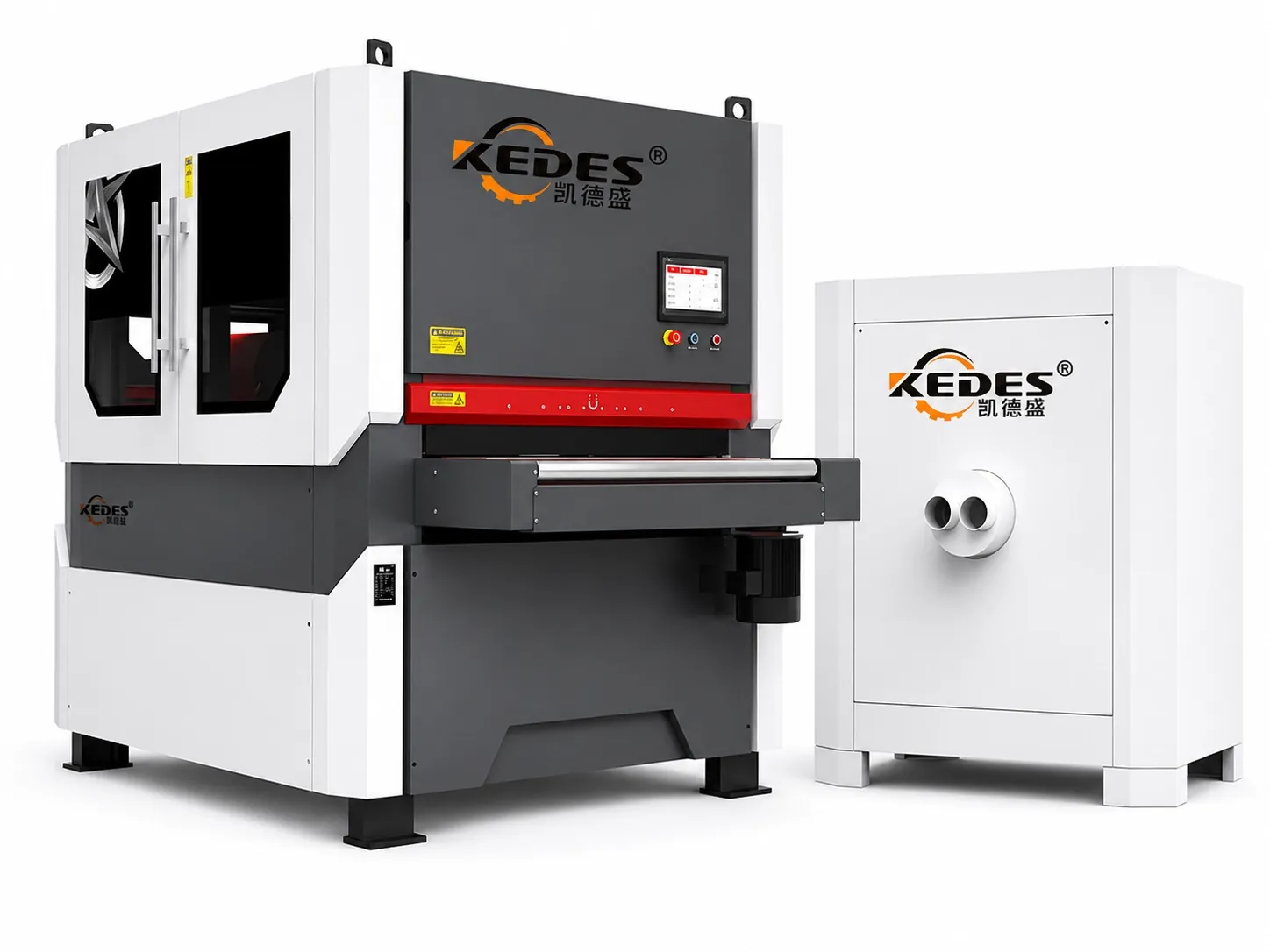
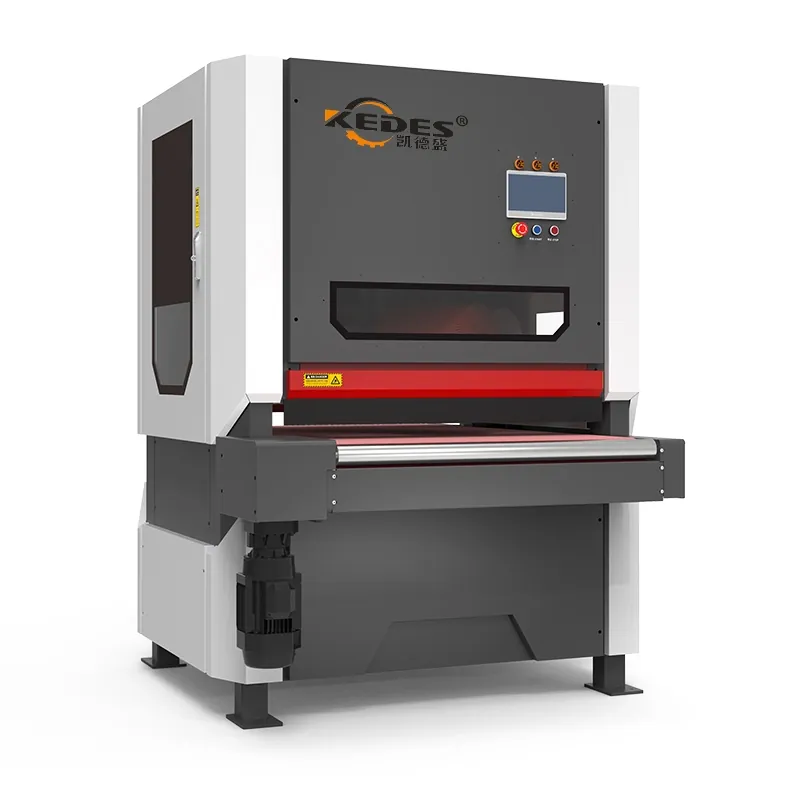
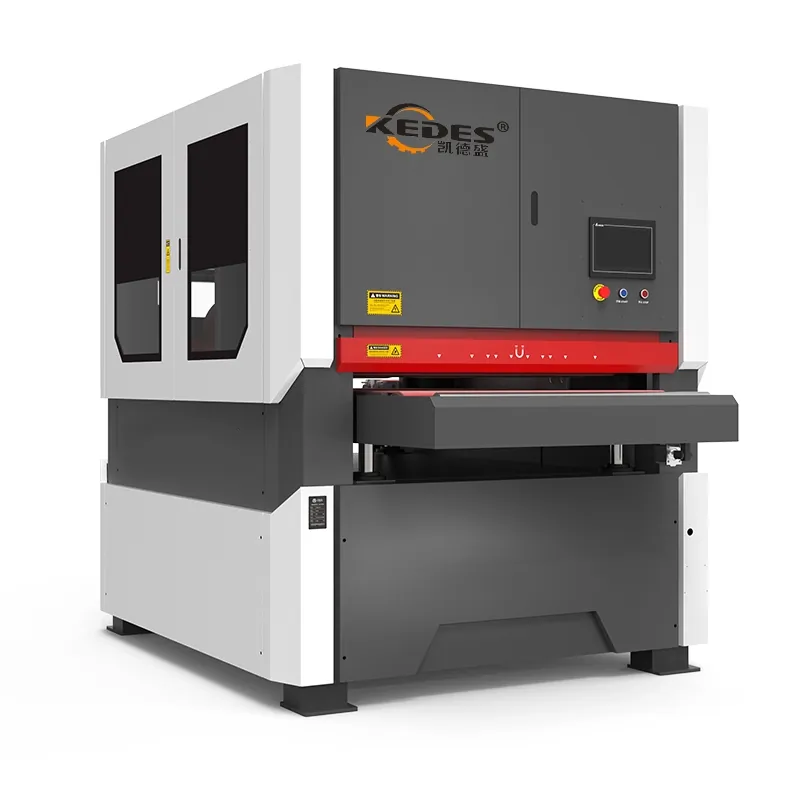
Continuous-feed slag removal machines clear dross and re-cast layers from laser, plasma and oxy-fuel cut blanks before downstream forming, welding or painting. Replaces hand chipping and abrasive grinding for high-mix sheet-metal shops.

Talk to an engineer
Slag Removal Machines
02 Where it's used
Laser / plasma cutting service centres
Sheet-metal job shops feeding press brakes & welding cells
Heavy-equipment fabrication
04 Applications in depth

Where these machines earn their keep.

01

Welding cleanup and surface treatment

Laser, plasma and oxy-fuel cut blanks come off the table with dross, re-cast layer, and an oxide scale that downstream operations cannot use. Hand chipping is slow and inconsistent at production volume; grinding burns hours and adds dust to the shop.

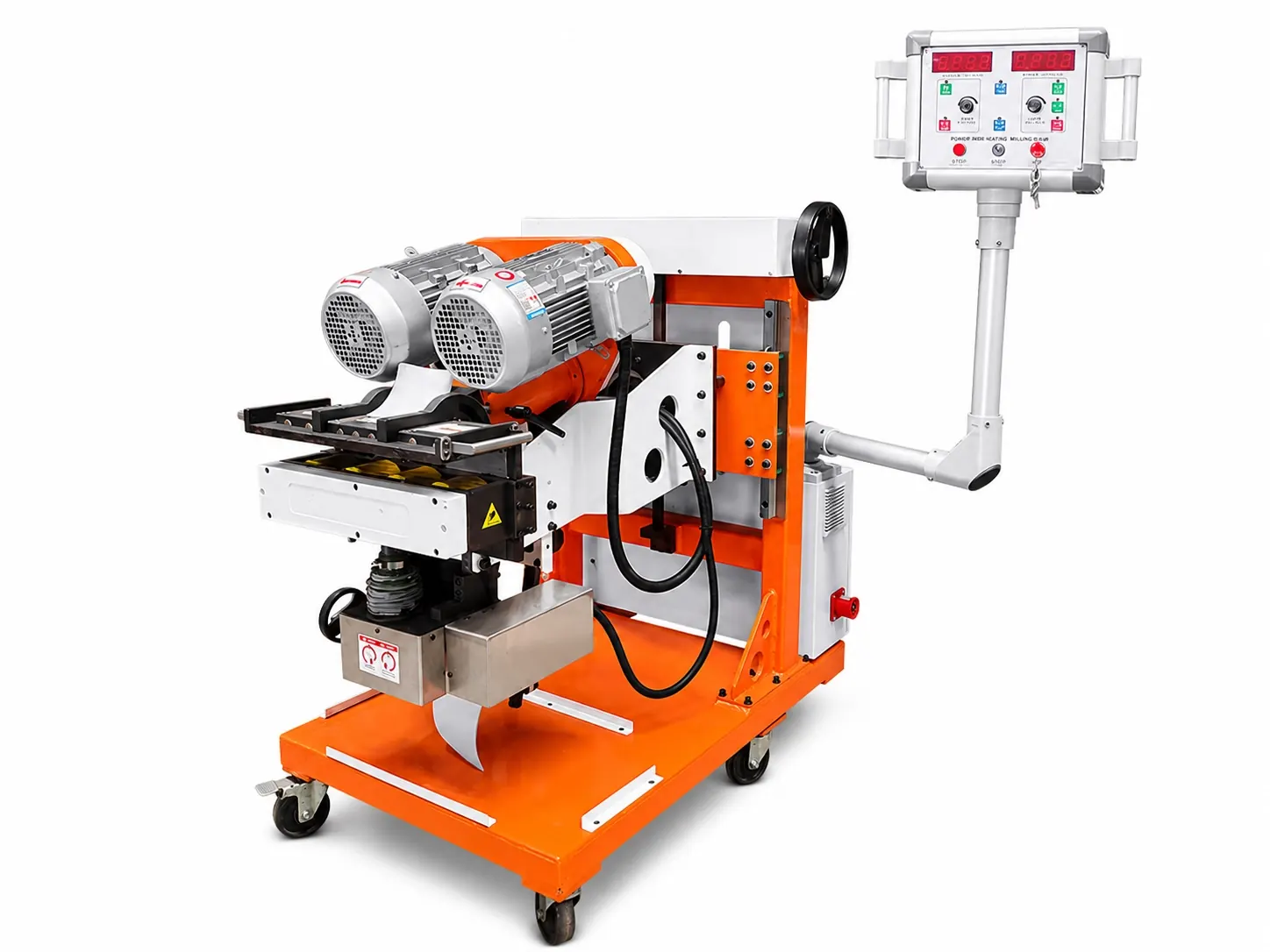
A continuous-feed QC roller-brush deburrer handles light dross and edge break in one pass; the wide-belt slag removal system handles heavy dross plus oxide layer removal and surface preparation for coating in the same line.
02

Laser / plasma service centre lines

Service centres selling cut blanks need them ready-to-weld or ready-to-form. That means deslag + edge break + clean surface, ideally automated so the cutting throughput is not bottlenecked downstream.

The selection rule: light cuts (≤ 8 mm mild steel) take the roller brush; heavy cuts and any stainless take the wide-belt. Mixing the two on one line gives you the full sheet-metal mix coverage.

03

Sheet-metal job shops and press-brake feed

Job shops feeding press brakes or welding cells need the cut blank flat, deburred and oxide-free. A burr on the bend line cracks the part; an oxide on the weld line fails inspection. Both come back as rework.

A wide-belt line replaces hand operations with one feed-through cycle, and the consistency is what makes downstream automation viable. For the post-weld side of the same workflow see weld seam removal machines.

04

Heavy-equipment fabrication and structural shops

Construction and mining equipment manufacturers run on thick plate (12 to 40 mm) with heavy plasma dross. The dross is structural — it will not shake off — and grinding by hand burns hours per part.

The wide-belt slag system is sized for this thickness range with tooling adjustments. Bring typical plate thickness, cutting method (laser / plasma / oxy) and monthly volume to the quote form and we will size the line.

05 Frequently asked

Quick answers.

Roller-brush vs wide-belt — which should I pick?
The QC roller-brush deburrer handles light dross and edge break on plate up to ~12 mm — fast, compact, lower capital cost. The wide-belt slag removal system handles heavy dross, oxide layer removal and surface preparation for coating on plate up to ~40 mm. Mix both on one line for full sheet-metal coverage.
What plate thickness range do the machines cover?
Roller-brush models cover up to ~12 mm mild steel; wide-belt systems cover up to ~40 mm with multiple stations. For thicker plate (50 mm+) the wide-belt system with adapted belt grit handles the heaviest construction-equipment work.
Can the machine handle stainless and alloy?
Yes, with dedicated belt and brush packs to avoid cross-contamination with carbon-steel residue. Iron particles embedded in stainless surfaces during deslagging develop into rust spots within months — see beveling stainless without losing corrosion resistance for the cross-contamination protocol.
How does the machine remove oxide layer as well as dross?
The wide-belt system runs sequential stations: dross removal first (hammers or grinding belt), then oxide / scale removal (abrasive belt), then edge break (brush). The plate exits ready for forming, welding or coating without an intermediate operation.
What's the throughput on a typical line?
Continuous feed-through at 1 to 3 metres per minute depending on plate thickness and dross level. That is the speed band where automated deslagging beats hand chipping plus grinder cleanup on cost.
Is the line suitable for plasma-cut and laser-cut blanks both?
Yes. Laser cuts produce thinner dross than plasma — the same machine handles both with different brush / belt pressure settings. Service centres typically run mixed cutting methods and the line adapts without retooling.
Next step

Get a quote within 24 hours.

Send us your spec sheet, pipe schedule, or drawing — our engineers reply with pricing, lead time, and recommended models.

  1. 01Send specs & drawings
  2. 02Receive quote within 24h
  3. 03Confirm & manufacture
Chat on WhatsApp
Chat on WhatsApp
Get a quote

Request a quotation.

Tell us pipe diameter, wall, material and country. We reply within one working shift.

WE REPLY WITHIN ONE WORKING SHIFT · GMT+8