Skip to content
Category 05 / 10

Pipe Cutting Machines

Cold severance — no HAZ, no distortion

Orbital cold-cutting pipe saws sever installed pipe without heat, sparks or burrs. Single-point and split-frame variants cover small-bore process lines through trunk pipelines, with simultaneous bevel preparation available on the same setup to halve weld-prep time.

Talk to an engineer
Pipe Cutting Machines
02 Where it's used
Pipeline tie-ins and emergency repairs
Hot-tap / cold-tap precursor cuts
Hazardous-zone cutting where hot work is forbidden
04 Applications in depth

Where these machines earn their keep.

01

Industrial fabrication and maintenance cutting

Fabrication shops and maintenance crews still default to plasma or chop saws for cutting pipe to length — fine for mild structural steel, wrong for anything code-piping that has a WPS attached. A plasma cut leaves a HAZ that has to be re-machined before the welder sees it.

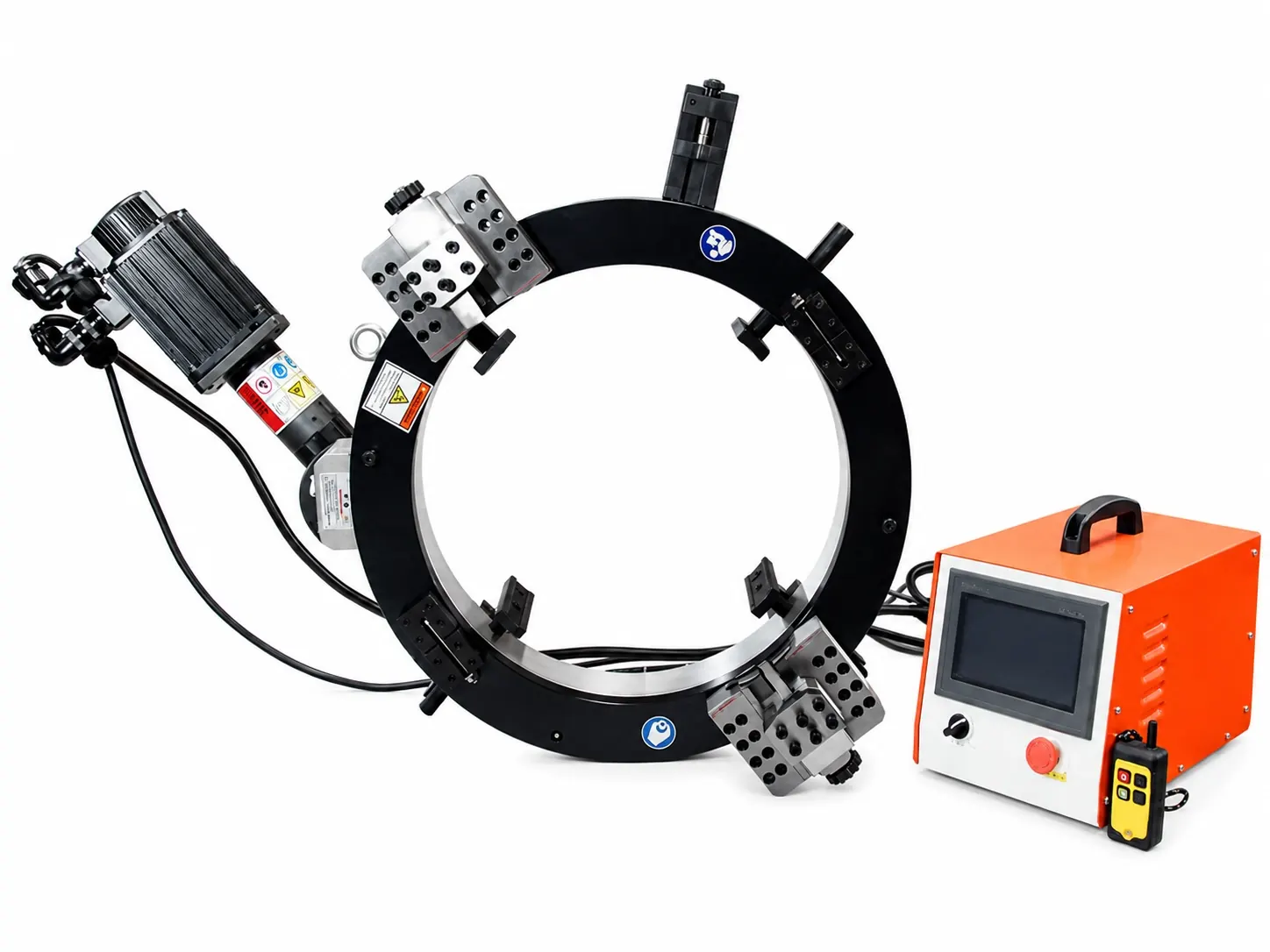
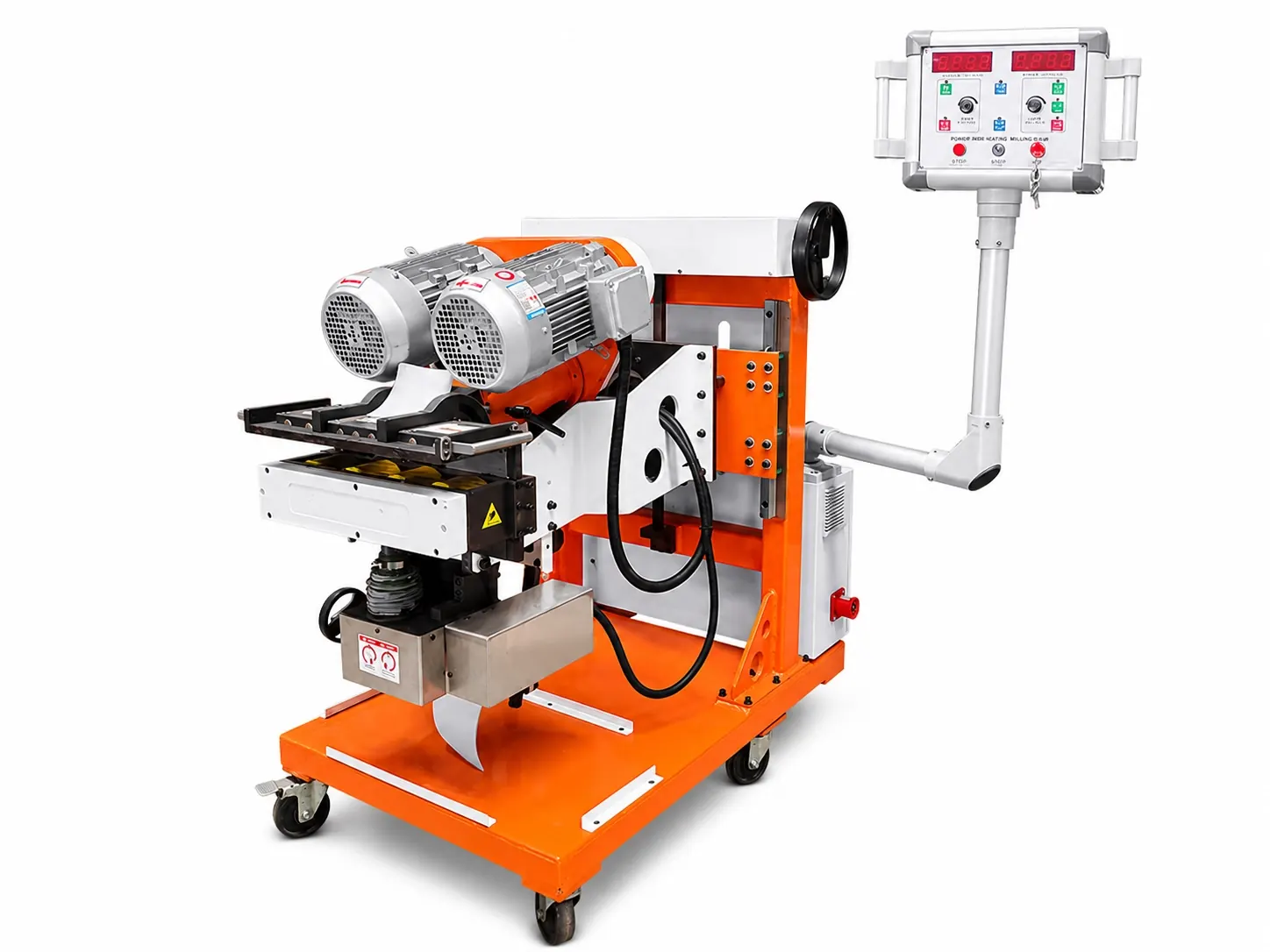
A planetary orbital pipe saw severs the pipe cold, no HAZ, no permit. For workshop cut-to-length on smaller bore, the DCM workshop pipe cutter covers benching work. Full trade-offs in cold cutting vs hot cutting.
02

Pipeline tie-ins and emergency repairs

A tie-in or emergency cut on a live line cannot use hot work — gas tests, fire watch, permits all eat the shift. Cold cutting walks past that overhead. The cut is also square enough to go straight into a split-frame beveler in the same setup, halving the prep time per joint.

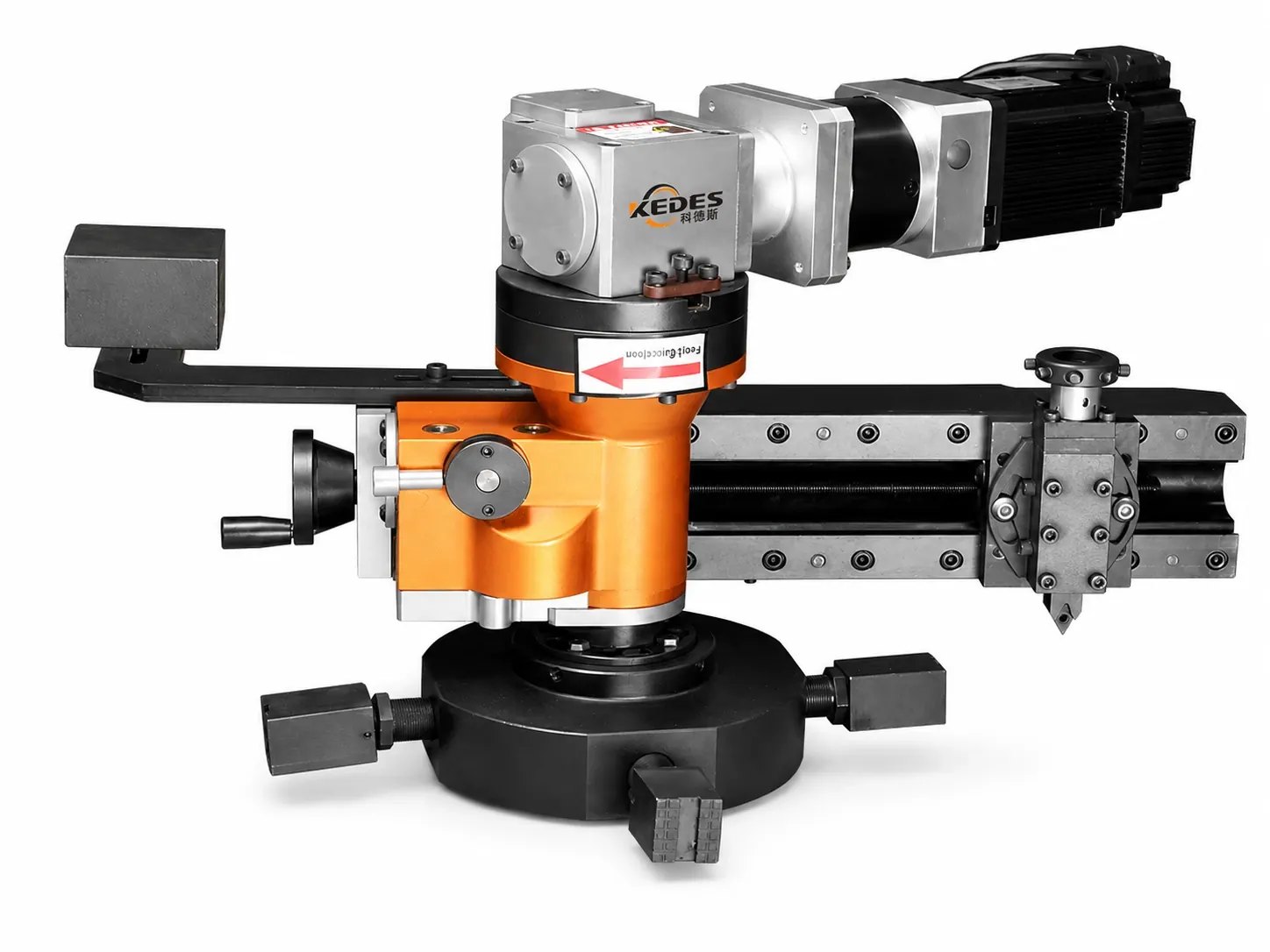
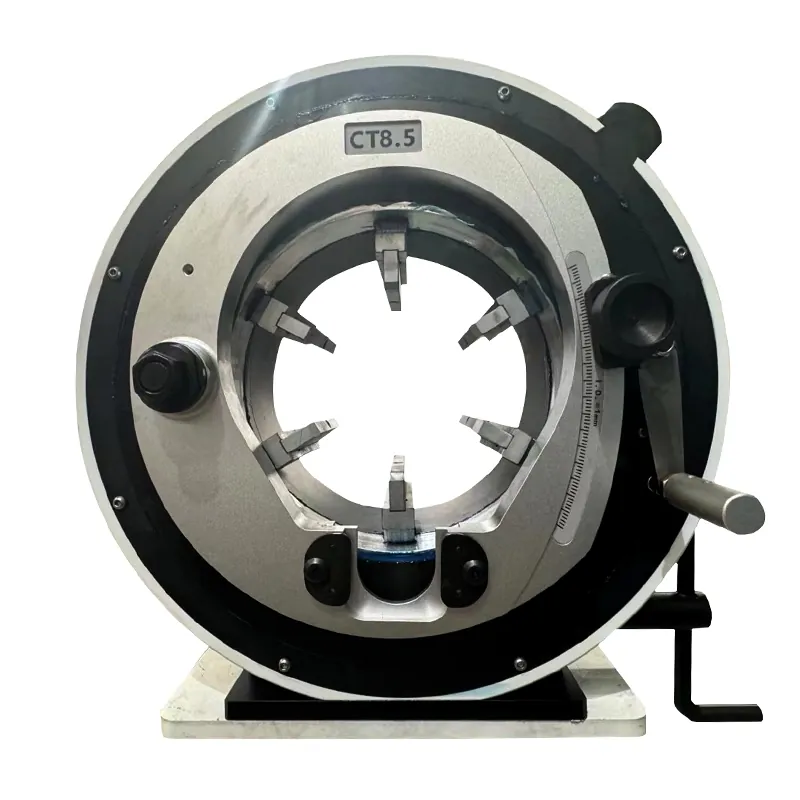
On larger trunk lines we recommend the split-frame family, which severs and bevels in one machine setup. For the bevel side of the same job see pipe beveling machines.

03

Hazardous-zone cutting and refinery shutdowns

Refineries, FPSOs, gas plants — anywhere with a permit-to-work system — restrict hot work to permit windows. A cold cutter is permit-free and works the full shift. On a typical turnaround that converts directly into 2-4 more productive hours per crew per day.

Pneumatic drive is the default in Zone 1 because it removes the electrical ignition source. For the pneumatic-vs-electric trade-off see pneumatic machining in hazardous zones.

04

High-purity tube cutting before orbital welding

Semiconductor and pharmaceutical lines weld with a closed-head orbital welder, and the welder needs the tube end square to ≤ 0.05 mm perpendicularity. A chop saw will not deliver that; the orbital weld program will not compensate for it.

The right workflow is cold cut → tube facer → orbital weld. For the cutter selection logic see choosing an orbital pipe cutter, and pair with a pipe facing machine for the squaring step.

05 Selection Matrix

Not sure which model?

SeriesCutting rangeMax wallCut squarenessBest for
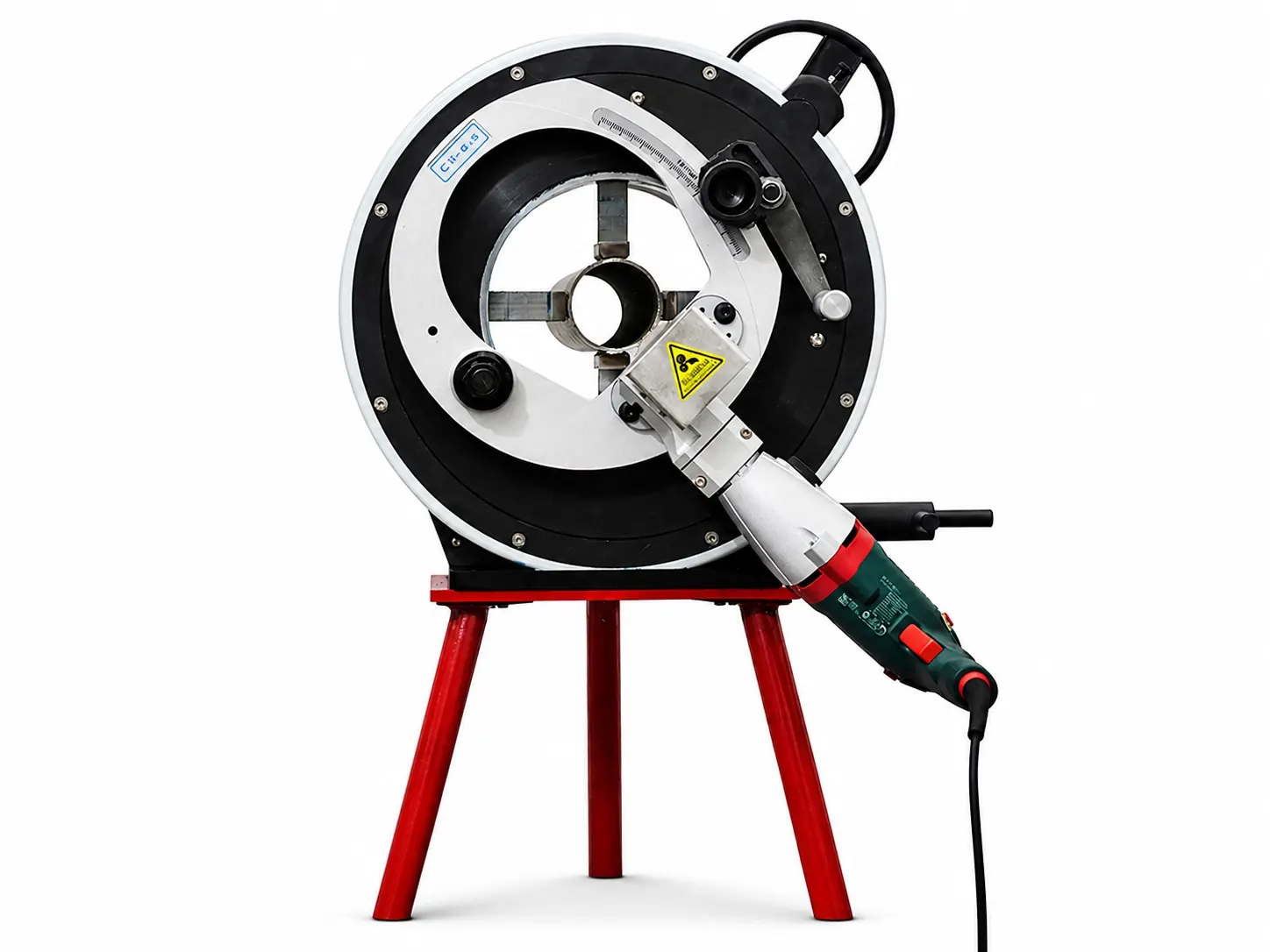
Planetary orbital saw Ø 5 – 330 mm 8 mm (Flex) · 4 mm (Metabo) < 0.25 mm Portable dry cutting, orbital-ready ends
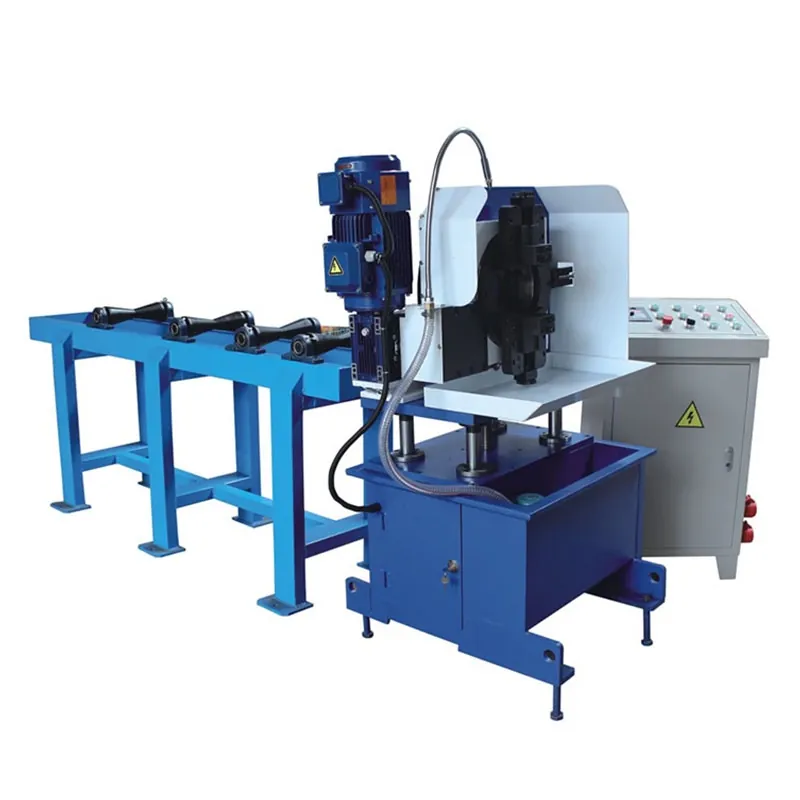
DCM workshop station Ø 50 – 630 mm 38 mm (DCM-325) Machined face Shop production — cut and bevel in one pass
OC split-frame Ø 25 – 1230 mm (larger on hydraulic) 35 mm · 150 mm hydraulic Machined face Installed pipe that cannot be moved
06 Selection Guide

Answer these and the model picks itself.

  1. Can the pipe come to a machine?

    Yes — the DCM workshop station cuts and bevels in one pass with circulating coolant, built for all-day spool production.

    No — the machine has to go to the pipe. For small bore, the planetary orbital saw; for anything larger or already welded in, split-frame.

  2. How thick is the wall?

    The orbital saw is a thin-wall tool — 8 mm on the Flex-driven models, 4 mm on Metabo. Past that you want a split-frame or the DCM station. Trying to force a saw through heavy wall is where blade cost gets away from you.

  3. Do you need the bevel in the same operation?

    Cutting and bevelling in one setup removes a handling cycle and guarantees the bevel is concentric to the cut. Both the DCM station and split-frame machines do it. A saw cut plus a separate bevelling pass is still correct where the two operations happen in different places.

  4. Is it feeding an orbital welder?

    Then squareness matters more than speed. The planetary saw holds perpendicularity under 0.25 mm running dry, which a facing pass then brings inside what a closed head expects. Background in cold cutting vs thermal cutting.

07 Frequently asked

Quick answers.

What is a cold pipe cutting machine?
A machine that severs pipe mechanically — orbital saw blade or split-frame tool slide — instead of burning through it. No heat-affected zone, no sparks, and the cut face is ready to weld or bevel. See the pipe cold cutting guide.
Why cold cutting instead of plasma or oxy-fuel?
Cold mechanical cutting produces no HAZ, no oxide scale, and a cut that comes off the machine within ASME B16.25 squareness ready to bevel and weld. Plasma adds 1.5–4 mm of HAZ that has to be milled off; oxy-fuel adds more. On spec piping (stainless, duplex, sour service, alloy) the plasma "speed" is reversed once the rework is counted. Full trade-off in cold cutting vs hot cutting.
Orbital saw vs split-frame cutter — which should I pick?
Orbital saws (planetary type) handle small to mid-bore tubing (Ø 25–200 mm) for high-purity and instrumentation work — clean square cuts at moderate wall thickness. Split-frame clamshells handle larger OD (Ø 100–2000 mm) and thicker wall, and they sever plus bevel in the same setup. Full selection logic in choosing an orbital pipe cutter.
Can the machines cut without a hot-work permit?
Yes. Cold cutting produces no sparks and no thermal input — a hot-work permit is not required. On refinery TAR shifts and offshore shutdowns this is the difference between starting at 06:00 and waiting on permit issuance until 11:00.
What OD range and wall thickness do you cover?
Across the range we cover Ø 25 mm to 2000 mm OD and walls up to ~80 mm. Heavier walls use split-frame architecture; smaller bore uses orbital saw or planetary architecture. Send the typical pipe schedule and material with the inquiry.
Can the cutter and the beveler be one machine?
On split-frame architecture, yes — the same machine severs the pipe and prepares the new bevel in one setup, halving the prep time per joint. This is the standard workflow on pipeline tie-ins and TAR work. See pipe beveling machines for the matched bevel side.
Is the cut square enough for direct orbital welding?
For open-head orbital welding (± 0.2 mm), yes. For closed-head orbital welding on UHP / BPE / aerospace work (≤ 0.05 mm perpendicularity), the cut needs a follow-up facing pass on a pipe facing machine — that is the standard matched workflow for high-purity tube installation.
Next step

Get a quote within 24 hours.

Send us your spec sheet, pipe schedule, or drawing — our engineers reply with pricing, lead time, and recommended models.

  1. 01Send specs & drawings
  2. 02Receive quote within 24h
  3. 03Confirm & manufacture
Chat on WhatsApp
Chat on WhatsApp
Get a quote

Request a quotation.

Tell us pipe diameter, wall, material and country. We reply within one working shift.

WE REPLY WITHIN ONE WORKING SHIFT · GMT+8