Skip to content
Category 06 / 10

Weld Seam Removal Machines

Flush weld reinforcement without grinding

Self-tracking milling cutters remove the reinforcement crown from longitudinal and circumferential welds in a single pass. Replaces hand-grinding for ASME / API surface-finish requirements before inspection, coating or polishing.

Talk to an engineer
Weld Seam Removal Machines
02 Where it's used
Pressure-vessel longitudinal seam finishing
Tank-shell internal smoothing
Coating / lining preparation
04 Applications in depth

Where these machines earn their keep.

01

Surface finishing and post-weld processing

A weld crown looks finished and is not. ASME and API surface-finish specs for pressure vessels and tanks require the reinforcement milled flush within a tight height tolerance before inspection, coating or lining.

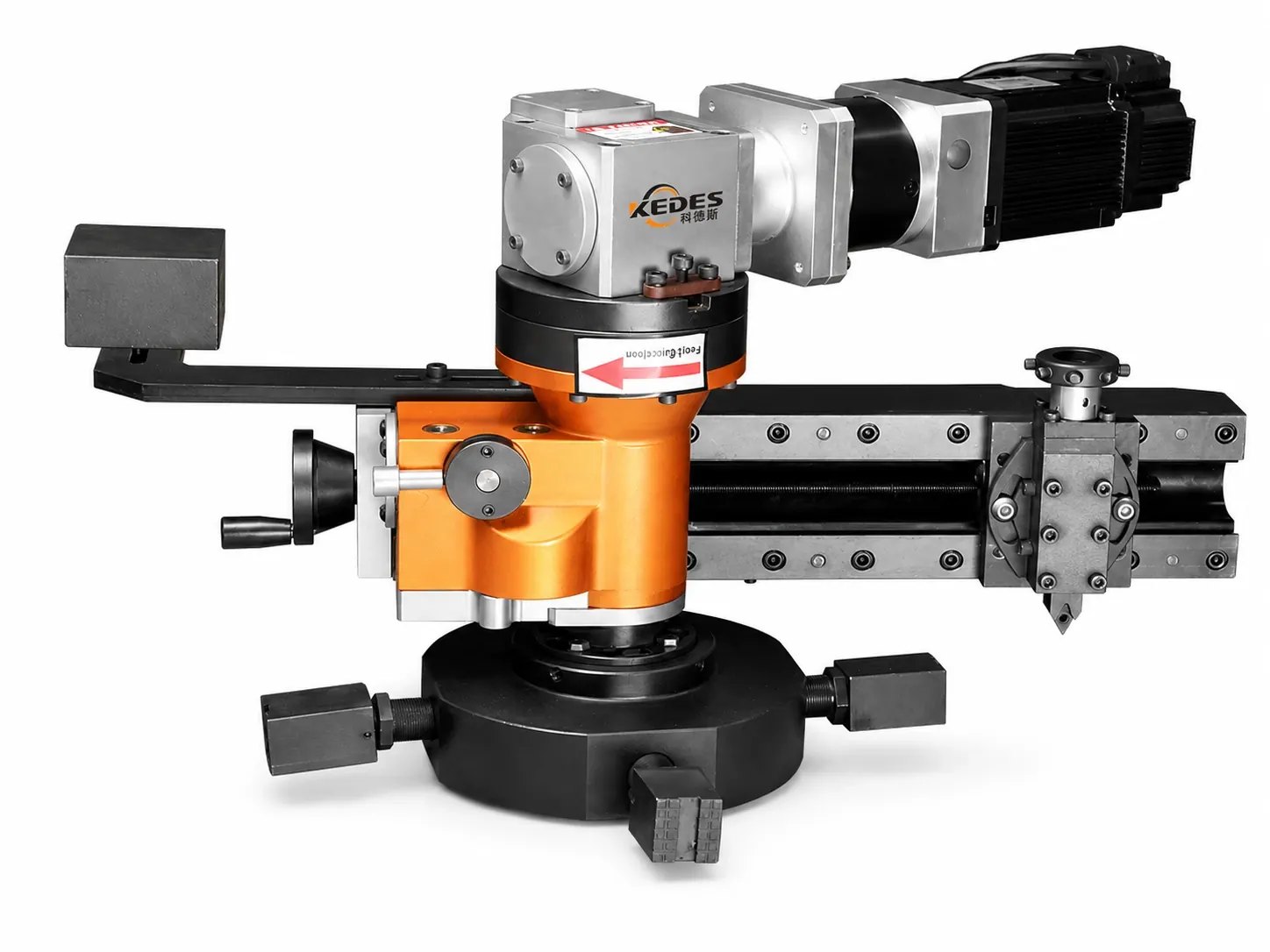
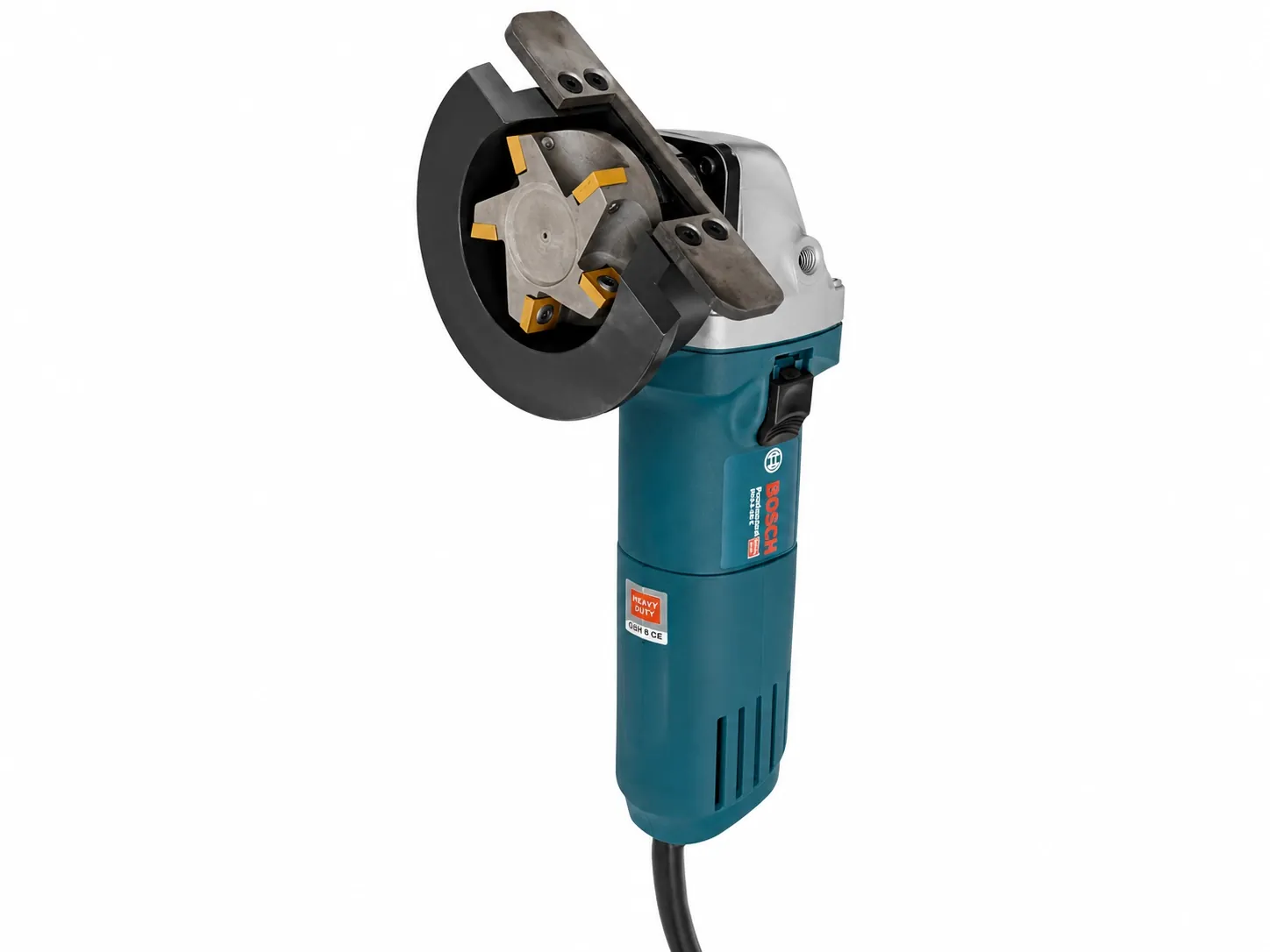
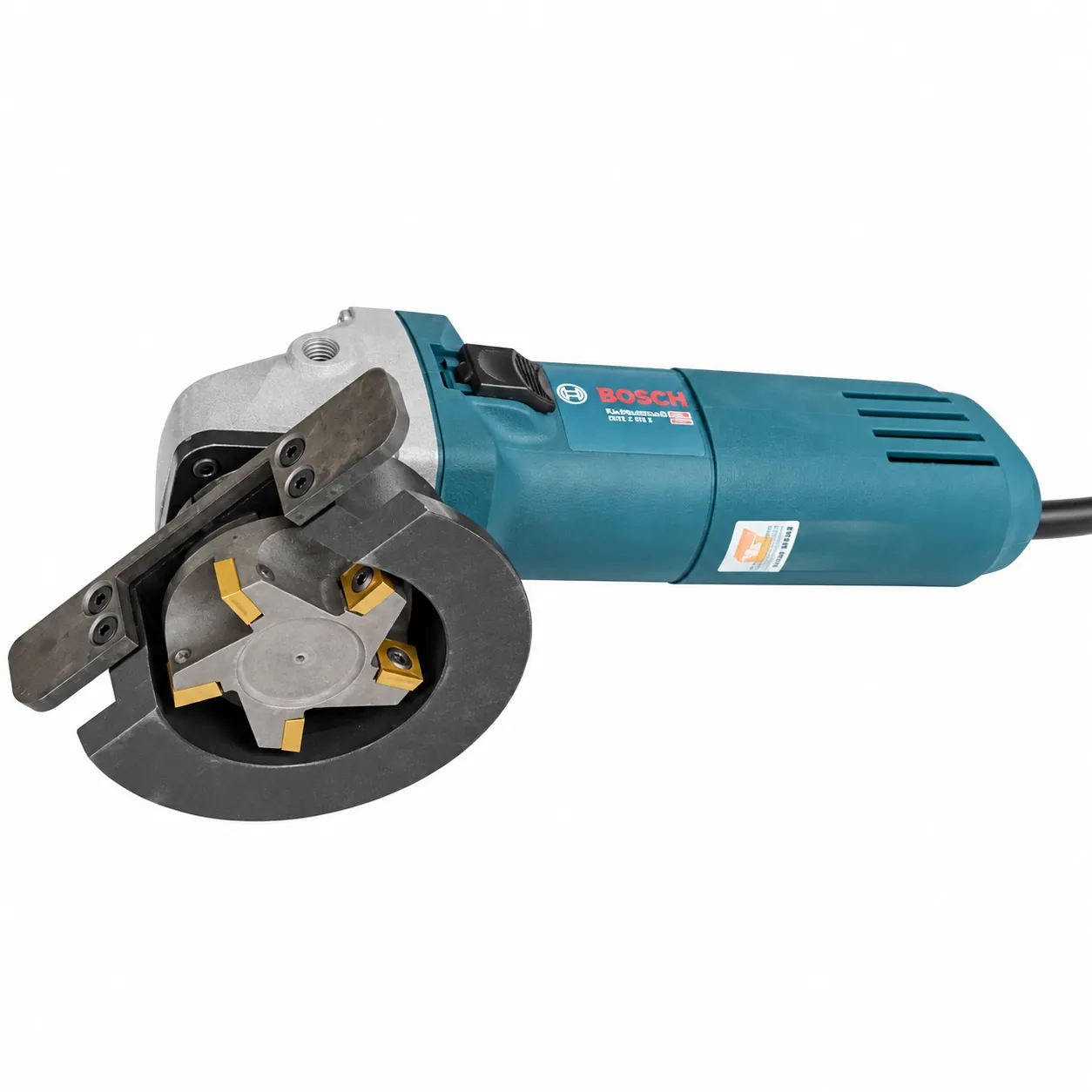
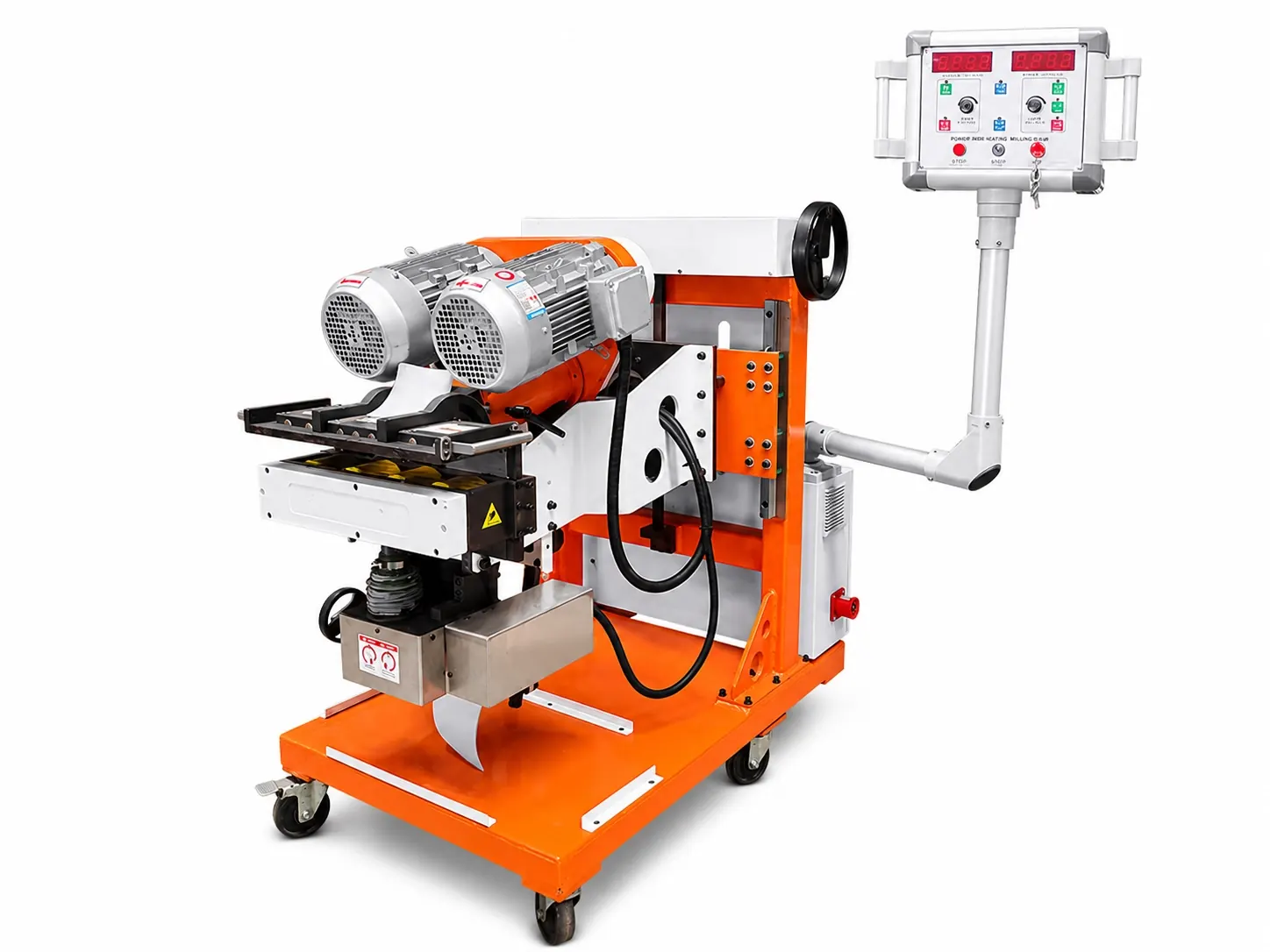
A HDL-5D weld seam planer runs a self-feeding carbide tool along the seam, holding ± 0.1 mm height across multi-metre runs — well inside what a grinder can achieve. For the planer-vs-grinder selection logic see the best weld seam removal tools.
02

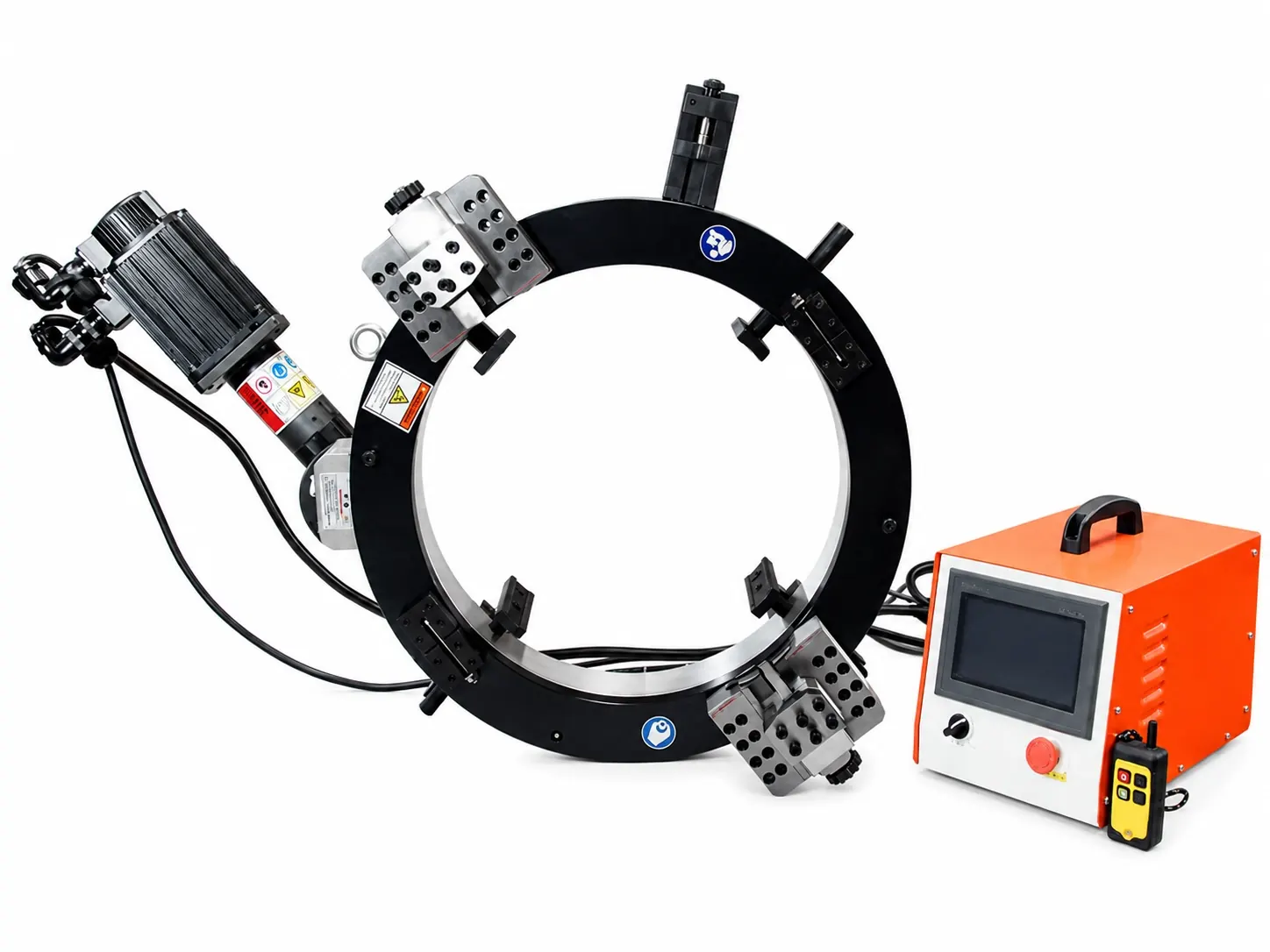
Pressure vessel longitudinal seam finishing

Longitudinal seams on pressure vessels and reactors are typically 6 to 18 metres long, with reinforcement of 3 to 8 mm to remove. Hand grinding this length is 90+ minutes per metre by a competent operator, with rework probability of 15 to 30%.

A walking planer covers the same metre in 2 to 3 minutes, with rework probability below 2%. On a typical vessel shop running ten such seams per day, the machine pays back inside a quarter on welder time alone, before counting rework cost.

03

Tank-shell internal smoothing and coating prep

Storage tanks, water vessels and chemical tanks need the inside seam flush before lining is applied. A grinder leaves swirl marks that adhesion testing picks up later as coating failures; a planed seam leaves a controlled finish the coating can bond to.

Same machine, same workflow as longitudinal seam finishing — see the HDL-5D planer spec for the access geometry. For pre-weld grinding cleanup see pneumatic industrial tools.

04

Stainless and alloy seam finishing (no heat tint)

Grinding stainless adds heat tint and chromium-depleted layers that fail PMI and pickle-passivate later. A cold planer holds the parent metallurgy — no thermal damage, no oxide, no rework.

Use dedicated tooling on stainless work — same colour-coding logic as stainless beveling. Bring the alloy grade, seam dimensions and surface-finish requirement to the quote form and we will match the planer and tooling pack.

05 Frequently asked

Quick answers.

Why a planer instead of a grinder?
A grinder produces whatever the operator's wrist produces — typical height variation ± 0.5 to 1 mm with 15–30% rework rate on long seams. A walking HDL-5D weld seam planer delivers ± 0.1 mm height with rework below 2%. The grinder is cheaper at the tool, the planer is cheaper at the project. Full case in the best weld seam removal tools.
When does the planer pay back?
Above ~50 metres of controlled flush-seam per month, the planer pays back within a year on welder time alone — before counting rework cost. Below that volume, a grinder still wins for short jobs.
What plate thickness and seam length range do you cover?
Wall thickness 3 to 60 mm typical, seam length up to multi-metre runs. Reinforcement crown height of 3 to 8 mm is removed in a single pass. For wider seams or hardfacing removal, milling-head architecture handles up to ~100 mm wide passes.
Can the machines handle stainless seams without heat tint?
Yes — cold mechanical chip removal puts zero heat into the parent metal. Hand grinding stainless adds heat tint and chromium-depleted layers that fail PMI inspection later; the planer holds the parent metallurgy. Dedicated tooling for stainless avoids cross-contamination — see beveling stainless steel.
Does the planer work on the inside of tank shells?
Yes for accessible internal seams with enough working clearance around the tool. Send tank diameter, seam location and access photo with the inquiry — internal access geometry decides whether the planer fits or a different approach is needed.
What surface finish does the planer leave?
Mill-finish ready for ASME / API surface-finish requirements, typical Ra 3.2–6.3 µm depending on feed rate and insert geometry. Cleaner than grinding, no swirl marks, no adhesion problems for downstream coating.
Next step

Get a quote within 24 hours.

Send us your spec sheet, pipe schedule, or drawing — our engineers reply with pricing, lead time, and recommended models.

  1. 01Send specs & drawings
  2. 02Receive quote within 24h
  3. 03Confirm & manufacture
Chat on WhatsApp
Chat on WhatsApp
Get a quote

Request a quotation.

Tell us pipe diameter, wall, material and country. We reply within one working shift.

WE REPLY WITHIN ONE WORKING SHIFT · GMT+8