Skip to content
Category 07 / 10

Automatic Chamfering Machines

High-throughput production chamfering

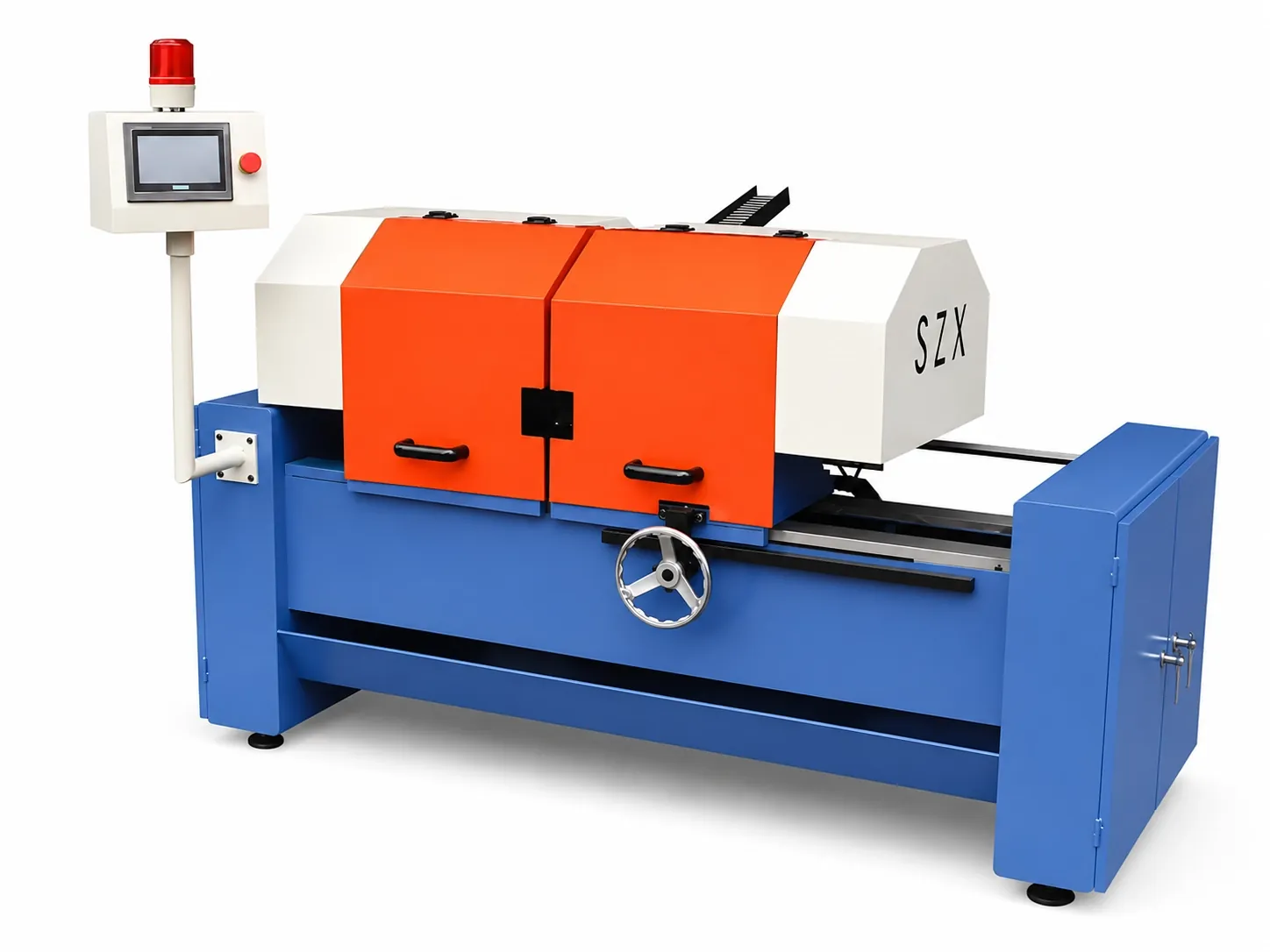
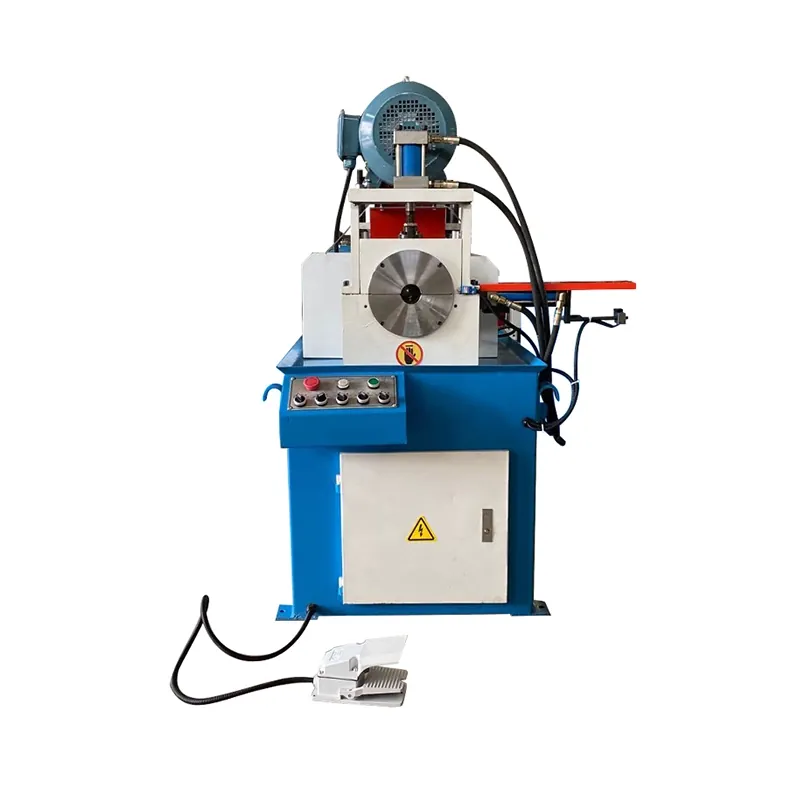
Automatic feed-through chamfering machines deburr and bevel both ends of cut-to-length tubing in one cycle. Sized for service centres, OEM tube shops and structural fabricators producing thousands of pieces per shift.

Talk to an engineer
Automatic Chamfering Machines
02 Where it's used
Pre-cut tube service centres
Furniture & exercise-equipment OEM lines
Automotive & HVAC tubing
04 Applications in depth

Where these machines earn their keep.

01

Edge prep and deburring on cut-to-length tubing

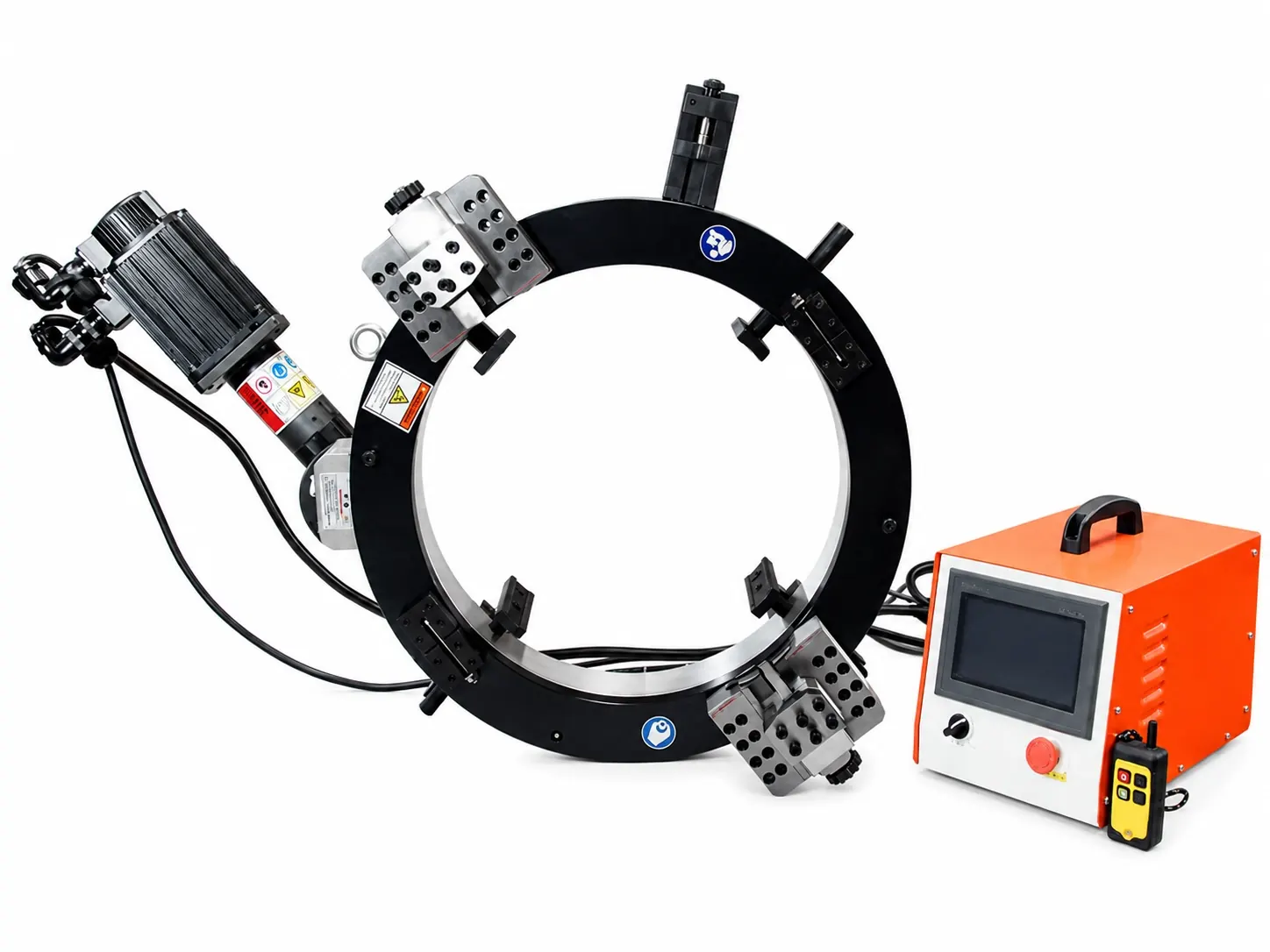
Cut-to-length tube comes off a chop saw or a laser tube cutter with a burr on both ends. On a downstream welding or bending line, that burr fails the inspection or jams the fixture. Hand deburring is slow and inconsistent at production volume.

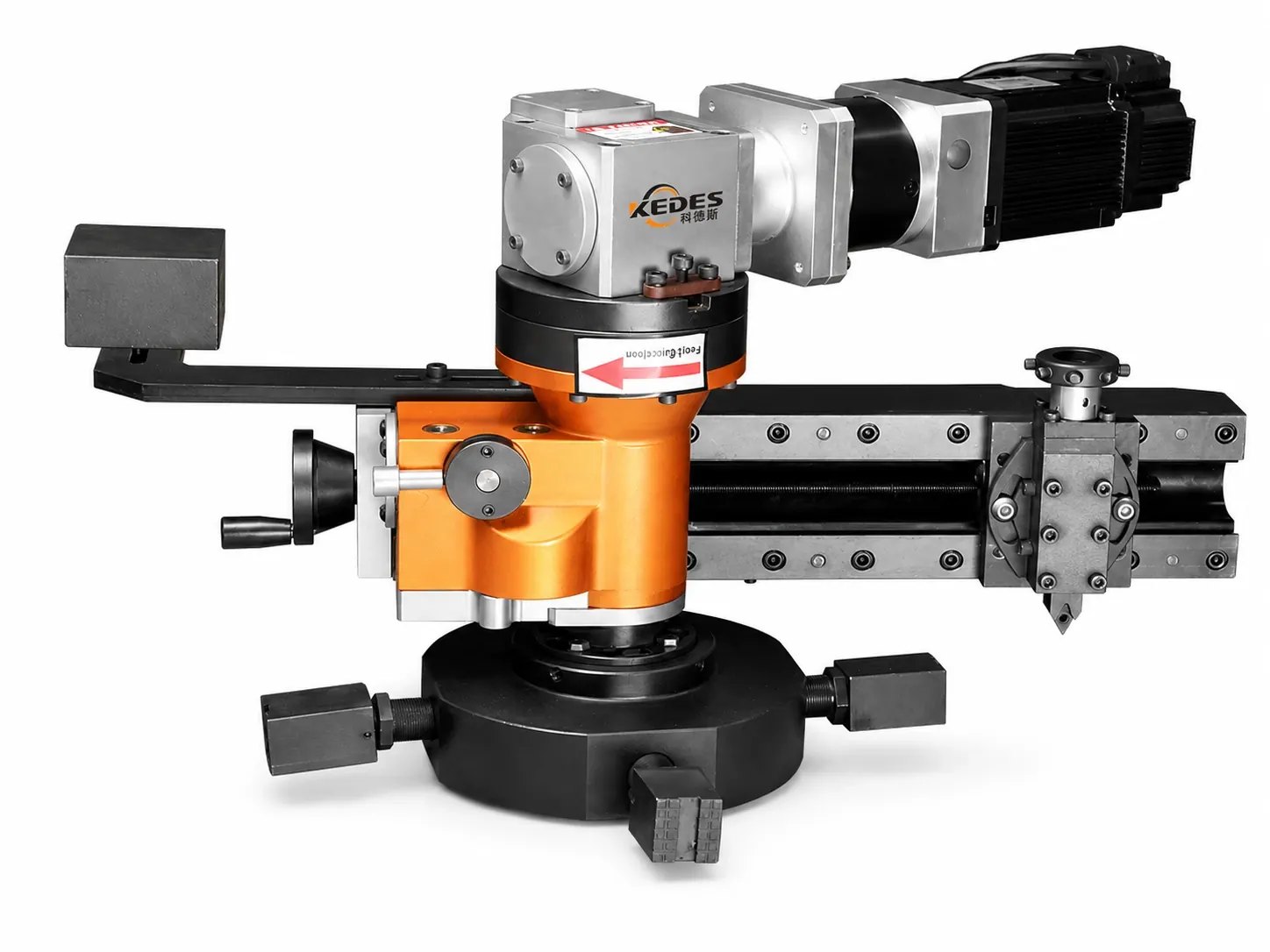
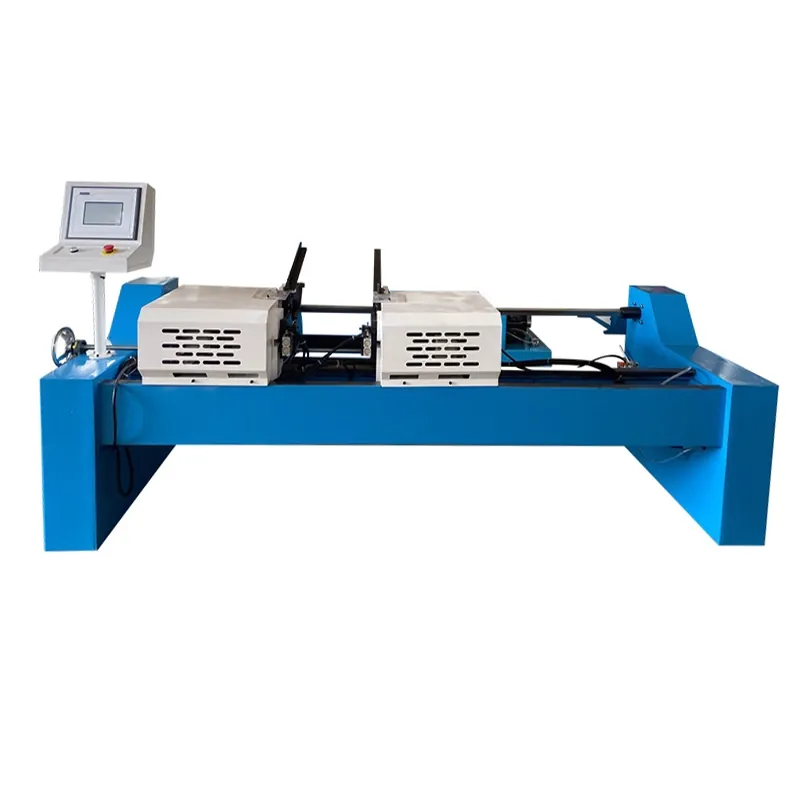
A single-head pipe chamfering machine feeds the tube through one end-prep station per cycle; the double-head version does both ends at once, halving the cycle time. The right choice is driven by throughput, not by part complexity.
02

Service centre and OEM production lines

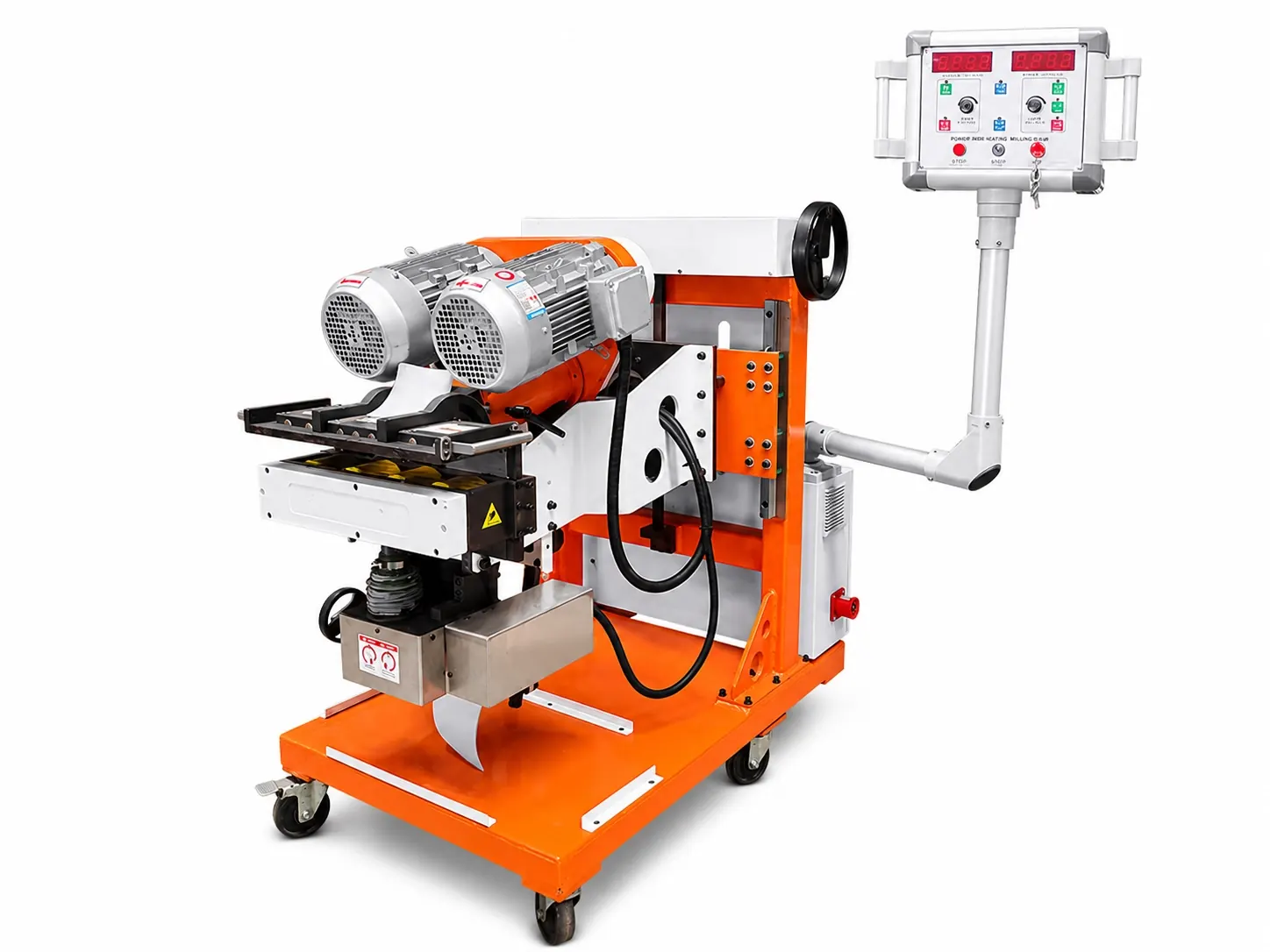
Service centres cutting structural tube for downstream resale need chamfered ends as a finish — buyers expect it. OEM tube shops (furniture, exercise equipment, automotive HVAC) need it for the assembly fit-up. In both cases the throughput math is the same: cycle time × shifts × yield = parts per day.

Auto chamfering machines hit 6 to 12 cycles per minute typical, which is the speed band that makes a finished part viable against manual deburr. Below that throughput, manual still wins. Above it, manual cannot keep up.

03

Pre-weld chamfer for tube-to-tube fit-up

Bracket welding, exhaust manifolds, frame fabrication — anywhere a tube meets another tube in a weld joint, the end chamfer controls the fit-up gap. Without the chamfer the weld bead either skips or lumps.

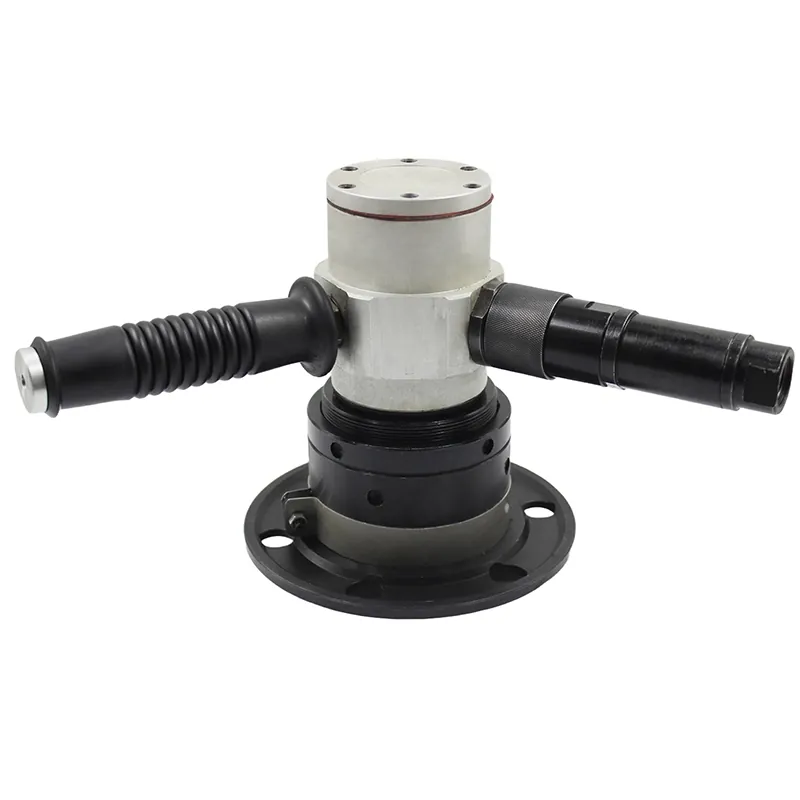
The volume rules: a few hundred pieces a day suits manual prep with a handheld chamfering tool from the pneumatic industrial tools range; above that, the auto chamfering machine pays back in shifts.

04

HVAC and automotive tubing

HVAC line sets, automotive fuel and brake lines, and aftermarket tube assemblies all run on similar small-OD ranges (typically 6 to 25 mm) at high volume. The end-prep quality decides whether the downstream flare, swage or weld passes inspection.

Pneumatic feed is the default in oil-and-mist factory environments. Bring tube OD range, wall, material and cycle-time target to the quote form and we will size the machine and feed system for the line.

05 Frequently asked

Quick answers.

Single-head vs double-head — which should I pick?
A single-head pipe chamfering machine feeds the tube through one end-prep station per cycle. The double-head version handles both ends simultaneously, halving the cycle time. The decision is driven by throughput: above ~600 parts per shift the double-head pays back fast.
What tube OD range do the machines cover?
Across the auto-chamfering range, typical OD coverage is Ø 6 to Ø 76 mm with wall thicknesses up to 5 mm. Send the OD / wall / material and cycle-time target and we will size the machine and feed system.
What is the typical cycle time?
6 to 12 cycles per minute is typical depending on OD and material. That throughput band is the speed at which automatic chamfering beats manual deburring on cost — below it, manual still wins.
Can the machines chamfer stainless and aluminium?
Yes. Insert material is matched to the workpiece — carbide for stainless and steel, dedicated geometry for aluminium. Specify the material mix in the inquiry so the right insert pack ships with the machine.
How is the machine fed — manual loading or automatic?
Manual loading covers low-to-mid volume (~600 parts/shift); automatic hopper feed and conveyor systems handle higher volume. For full automated lines we integrate with cut-to-length saws upstream so pieces flow from cut to chamfer without intermediate handling.
Where does manual chamfering still make sense?
Low volume (< 200 parts/day), mixed OD where setup time dominates, and field installation work. For those use cases the handheld pneumatic chamfering tools from the pneumatic tools range are the right answer.
Next step

Get a quote within 24 hours.

Send us your spec sheet, pipe schedule, or drawing — our engineers reply with pricing, lead time, and recommended models.

  1. 01Send specs & drawings
  2. 02Receive quote within 24h
  3. 03Confirm & manufacture
Chat on WhatsApp
Chat on WhatsApp
Get a quote

Request a quotation.

Tell us pipe diameter, wall, material and country. We reply within one working shift.

WE REPLY WITHIN ONE WORKING SHIFT · GMT+8